
Osteopathy explained
Osteopathy is hands-on treatment for pain and movement problems — a registered health profession in New Zealand, four to five years of university training, and ACC funded. Here is what osteopaths actually do, what the evidence supports, and how it differs from physiotherapy and chiropractic.
Most people meet osteopathy sideways. A friend mentions it, a GP suggests it, or a back finally gives out and somebody says “try an osteopath”. Very few people can say what one actually does.
The short version: an osteopath assesses and treats pain and movement problems using their hands. We look at the whole body, assessing how everything is working together rather than examining the sore spot in isolation — which joints, muscles and connective tissue have stopped doing their share, and how that pattern ended up producing your symptoms. Then we treat that pattern, not just the place it hurts.
Almost all of it is musculoskeletal — the things that hurt when you move, lift, sit too long, train too hard, or get older:
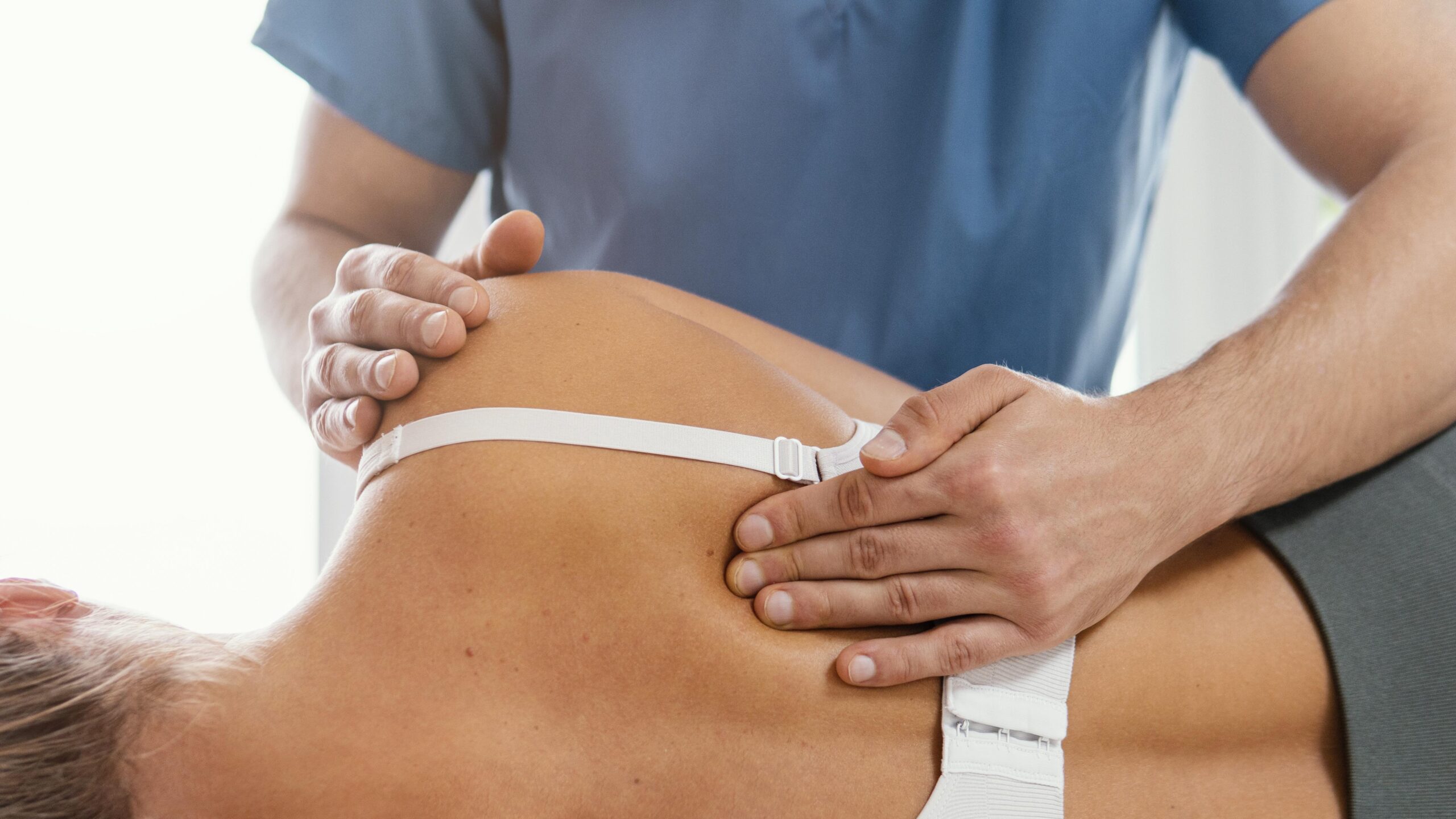
Osteopathy is good at musculoskeletal pain. It reliably improves movement, reduces pain and gets people back to normal activity, and for back and neck pain the evidence behind hands-on treatment combined with exercise is reasonable.
It is not a treatment for disease. Osteopathy will not cure infections, manage diabetes or replace medical care, and claims that treating the spine fixes unrelated illness are not supported by evidence. Any practitioner telling you otherwise is overselling.
A good osteopath will tell you when osteopathy is not the answer. That conversation is part of the job.
If your pain is not musculoskeletal, or something in your history needs investigating, the right outcome is a referral, not another appointment.
This is the question we are asked most, and the honest answer is that the three overlap a great deal — the individual practitioner usually matters more than the letters after their name. That said, the professions do differ in emphasis:
| Osteopathy | Physiotherapy | Chiropractic | |
|---|---|---|---|
| Main emphasis | Hands-on treatment across the whole body, including the areas loading the painful one | Exercise, loading and rehabilitation, with hands-on work alongside | The spine and joint adjustment |
| Typical appointment | 45 to 60 minutes, mostly manual treatment | Mixed: assessment, hands-on, then exercise | Very short appointments, often more frequent |
| Best fit for | Recurring pain, stiffness through the back, hips and ribs, pregnancy-related pain | Post-surgical rehab, return to sport, anything where strength is the missing piece | People who prefer frequent, brief spinal adjustment |
| At Premier Wellness | Six registered osteopaths across two clinics | Senior and Principal physiotherapists | Not offered — we will tell you if it suits you better |
If you are still unsure, book either and say so at the start. We work in the same building, and moving you across the corridor is easier than starting again somewhere else.
First appointments run 45 to 60 minutes, depending on the practitioner. The shape of the appointment is the same either way — here is how a 45-minute one is usually spent.
What hurts, when it started, what makes it better or worse, plus general health, medications and anything relevant in the past. Half of a diagnosis comes from this conversation.
Watching you bend, stand and move, then hands-on examination of the joints and muscles involved. You usually stay in comfortable clothing; you will be told if anything else is needed and why.
Soft tissue work, joint mobilisation, stretching and sometimes manipulation. Every technique is explained before it happens, and nothing is done that you are not comfortable with.
What we found, how many appointments it should take, what to do between them, and what would make us change course or refer you on.
Myth“Something is out of place and needs putting back in”
Not quite. Joints do not slip out and get shoved back. What changes with treatment is how a joint moves and how the muscles around it behave. The click, when there is one, is gas moving in the joint — not a bone relocating.
Myth“Once you start, you have to keep going forever”
No. Most problems are a course of a few appointments with an end point. Some people choose occasional maintenance, and that is a preference, not a requirement.
Myth“It has to hurt to work”
It does not. Firm work can be uncomfortable, but pain is not the mechanism, and gentle technique is used routinely in pregnancy and with older adults to good effect.
Myth“Osteopathy can treat anything”
It cannot. It is musculoskeletal treatment. Where it helps beyond that is usually indirect — sleeping better because you are in less pain, for instance — and we will not pretend otherwise.
If your pain changes with movement and position, osteopathy is a sensible starting point and you do not need anybody’s permission to book.
See a doctor or go to an emergency department first if you have back pain with unexplained weight loss, fever with severe pain, numbness around the saddle area, loss of bladder or bowel control, or sudden weakness in a limb. Those need medical assessment, not manual therapy, and any osteopath worth seeing will send you there.
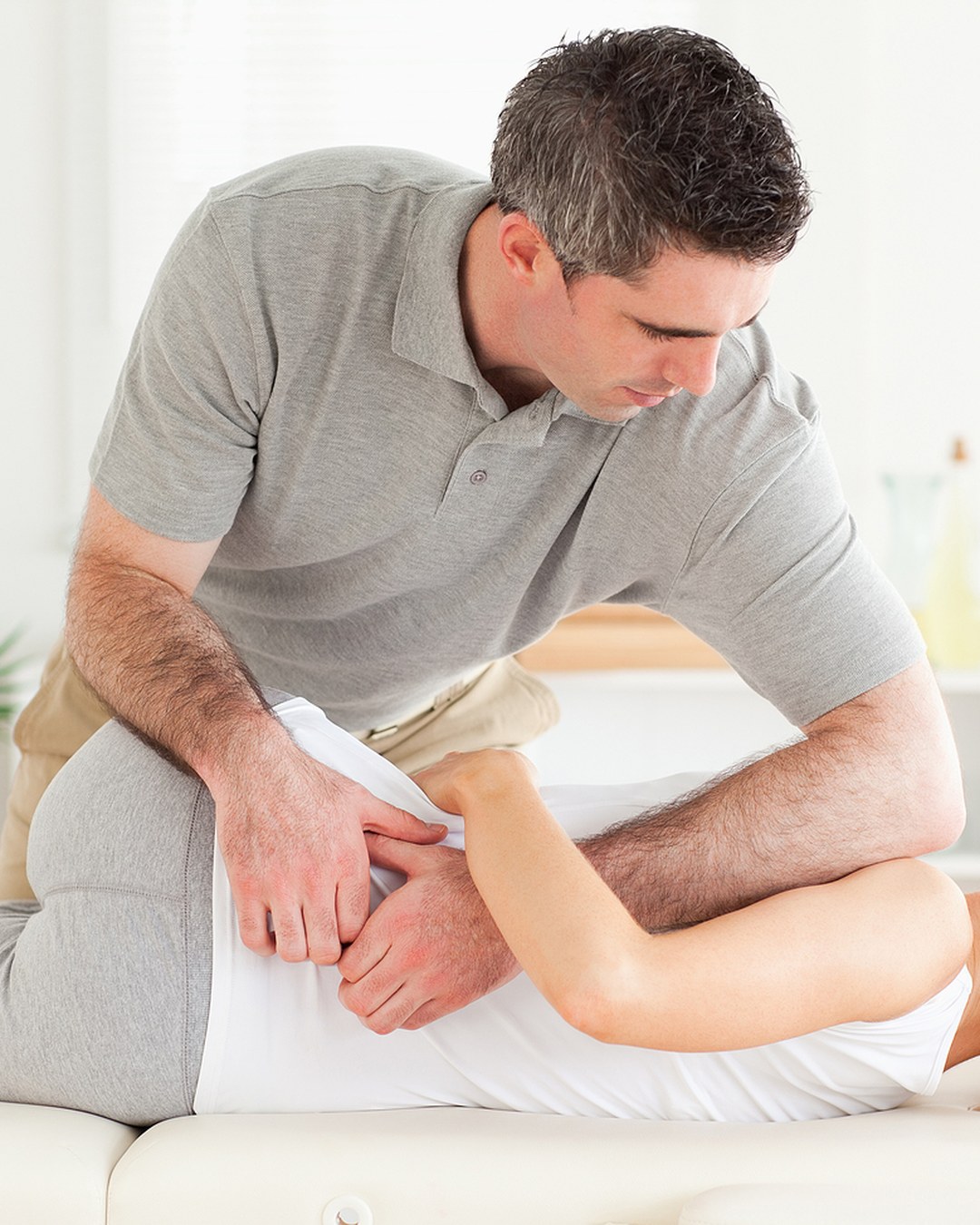
Osteopathy is a regulated manual therapy: hands-on assessment and treatment of muscles, joints and the way the body moves together. Training takes four to five years of university study depending on the country, and in New Zealand osteopaths must be registered with the Osteopathic Council of New Zealand to use the title.
An osteopath takes a full history, watches how you move, examines the area by hand and then treats it — soft tissue work, joint mobilisation, stretching and sometimes manipulation — before giving you something to do between appointments. Most of the appointment is hands-on.
The overlap is large and the individual practitioner matters more than the profession. Broadly, osteopathy uses more hands-on treatment in a longer appointment and takes a whole-body view; physiotherapy leans harder on exercise, loading and structured rehabilitation. After surgery or for return to sport, start with a physio. For recurring pain with a lot of stiffness, an osteopath is often the better first call.
Chiropractic has traditionally centred on the spine and on joint adjustment, in very short and often frequent appointments. Osteopathy uses a wider range of techniques across the whole body in a longer session. Both are registered professions in New Zealand. We do not offer chiropractic, and we will say so if that is what would suit you.
First appointments at Premier Wellness run 45 to 60 minutes, depending on which osteopath you see. Follow-up appointments are often shorter. The length is shown against each practitioner when you book, so you know before you arrive.
It should not. Working on an irritated area can be uncomfortable while it happens, and some people ache for a day afterwards in the way they would after unfamiliar exercise. Say what you are feeling and the pressure changes.
Yes, for injuries. Osteopaths are ACC treatment providers, so we can lodge a claim at your first appointment with no GP referral, and ACC contributes to the cost. Any surcharge is on our prices page.
Recent problems often settle in two to four. Long-standing pain usually needs a course across several weeks, and you should notice something changing within the first two or three. Be wary of anyone who prescribes twenty visits before examining you.
For most people, yes, and serious complications are rare. Technique is adapted during pregnancy, for older adults, and for anyone with osteoporosis or taking blood thinners — which is why the medical history at the start matters.
No. You can book directly, including for ACC injuries. If we think you need a GP, a scan or a specialist, we will tell you rather than keep treating.
Six registered osteopaths across our Glenfield and Orewa clinics. ACC registered, no GP referral needed, open six days a week.