
Auckland · Glenfield & Orewa
Jaw that clicks when you eat, aches by the afternoon, or wakes you with a headache from a night of clenching. TMJ problems respond well to hands-on treatment, and you do not need a referral to come in.
What TMJ is
The temporomandibular joint sits just in front of your ear and moves every time you talk, eat or yawn — a few thousand times a day. TMJ pain, or temporomandibular disorder, is pain in that joint or in the muscles working it.
Most cases are muscular rather than structural. Clenching through the day, grinding at night, long dental work, stress, or a neck that has been stiff for months all load the jaw muscles until they hurt. Clicking on its own, with no pain, is common and usually not a problem.
Treatment at our Auckland clinics works on those muscles, on the joint’s movement, and on the neck and upper back that almost always come into it.
Symptoms we see
Jaw problems rarely arrive alone. These are the patterns people come in with.
A jaw that clicks when opening, catches halfway, or occasionally locks. Painless clicking is often fine; clicking with pain or restriction is worth treating.
A deep ache around the joint, cheek or temple, usually worse by the end of the day or after a big meal.
Daytime clenching you may not notice, or night grinding your dentist has spotted. Treatment eases the muscles; a splint from your dentist protects the teeth.
Temple headaches that start mid-morning, often alongside a stiff neck. More on headaches.
Ear fullness, ache or ringing where the GP has found no infection. The joint sits directly against the ear canal.
The two travel together more often than not, which is why we assess both. More on neck pain.
When to come in
Book in if jaw pain has lasted more than two or three weeks, if the jaw locks or catches, if you cannot open wide enough to eat comfortably, or if you wake with jaw ache and headaches.
See your dentist as well if a tooth is sensitive, if the pain is clearly coming from a tooth, or if you grind at night and have no splint. Dental and jaw treatment work well together, and one is not a substitute for the other.

Who treats it
Three approaches to the same joint. If one is clearly the better fit for you, we will tell you rather than book you in regardless.
Physiotherapy for the jaw means assessment of jaw movement and control, hands-on release of the chewing muscles, and exercises to retrain how the jaw opens. Western Medicine Acupuncture (dry needling) into the jaw muscles where it helps.
Hands-on treatment of the jaw, neck and upper back together, which suits jaw pain that comes with long-standing neck stiffness.
Fine needles into the jaw and temple muscles for clenching pain and jaw-related headaches, often where the muscles are too sore for firm hands-on work.
Work through the neck, shoulders and scalp for the tension that feeds a clenching habit.
Your first visit
Nothing about a jaw assessment is uncomfortable, and treatment starts the same day.
When it started, what makes it worse, how you sleep, and whether dental work or stress lines up with it.
How far and how evenly the jaw opens, where it deviates, and how the neck and upper back are moving.
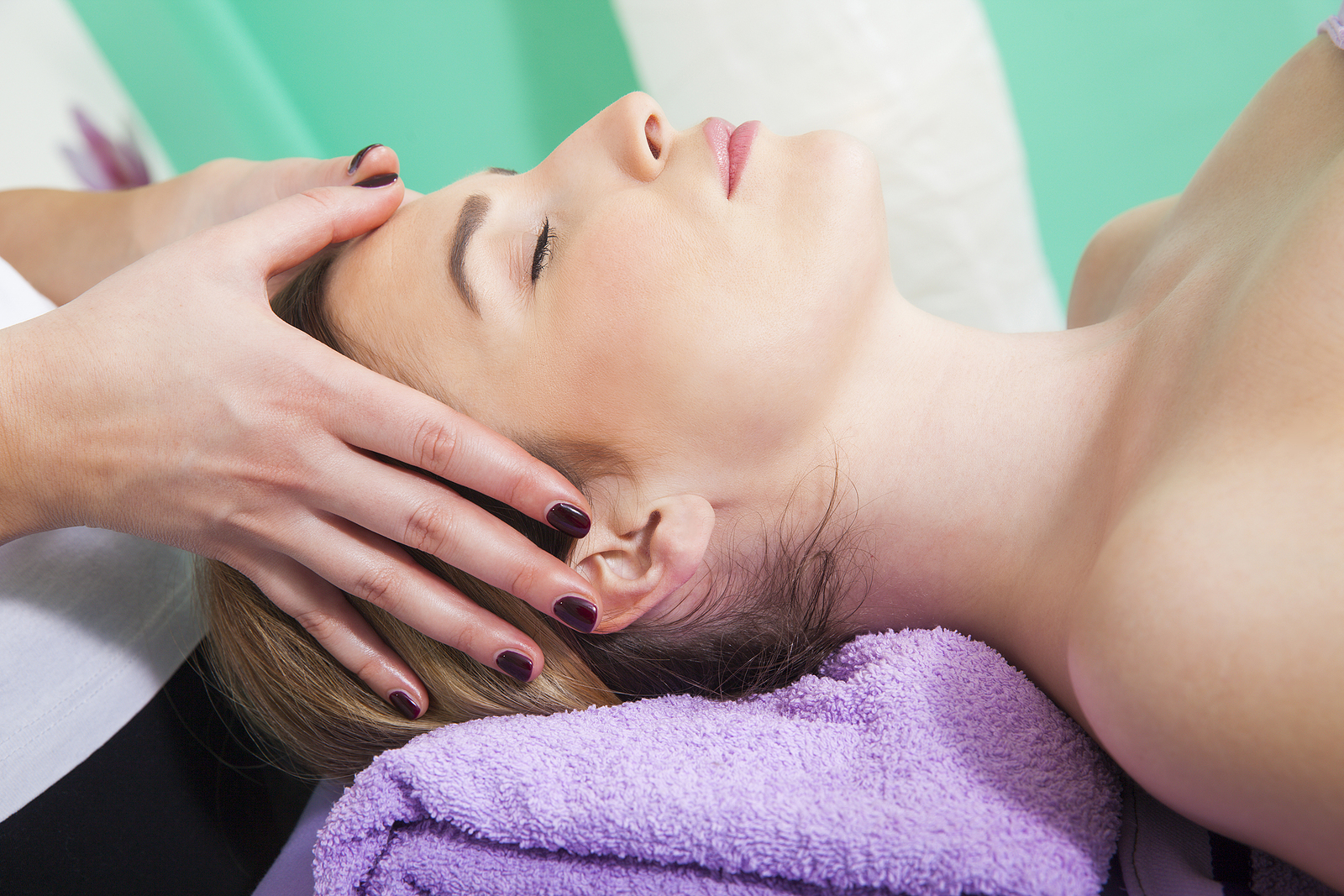
Release of the chewing muscles, including inside the mouth with a gloved hand if you are comfortable with that, plus neck treatment.
The habits that keep it going — chewing gum, nail biting, phone posture, resting your jaw closed rather than clenched.
Between appointments
Rest the jaw without immobilising it: softer food for a week or two, cut things smaller, and skip chewing gum entirely while it settles. Yawn with your tongue on the roof of your mouth to limit how far the joint opens.
Teeth should not touch unless you are eating. Lips together, teeth slightly apart, tongue resting on the palate is the position to keep returning to — and most people find they are clenching the moment they check.
Heat over the jaw muscles for ten minutes helps before bed. If you grind at night, ask your dentist about a splint; it protects your teeth while treatment deals with the muscles.

Rated by our patients
316+ five-star Google reviews across our two clinics — 231 at Glenfield and 85 at Orewa, both rated 5.0 on Google.
Common questions
Anything else? Call 09 444 3231.
Visiting us
| Monday – Thursday | 7:00am – 7:00pm |
|---|---|
| Friday | 7:00am – 6:00pm |
| Saturday | 10:00am – 5:00pm |
| Sunday | Closed |
| Monday – Friday | 8:00am – 7:00pm |
|---|---|
| Saturday | 10:00am – 5:00pm |
| Sunday | Closed |
Related conditions
Book online at Glenfield or Orewa, or call 09 444 3231 if you are not sure who to see.