
North Shore · Glenfield & Orewa
Knees that ache on the stairs, a hip that hurts after a walk, a shoulder that will not reach the top shelf. Joint pain is rarely just the joint — and treating what is loading it is usually what changes how it feels.
Knee and hip pain
Most joint pain we see is wear-related rather than dramatic: osteoarthritis in a knee or hip, a shoulder that has stiffened over months, or a meniscus that has never been right since a twist in the garden.
Osteoarthritis cannot be reversed, and anyone promising otherwise is selling something. What treatment can do is reduce how much the joint is loaded, restore the movement lost around it, and build the strength that takes pressure off it — which is why many people with x-ray changes end up comfortable.
You are assessed and treated at the first appointment at our Glenfield clinic, with Orewa available for the Hibiscus Coast. If your pain started with an accident, we lodge the ACC claim then and there.
What we treat
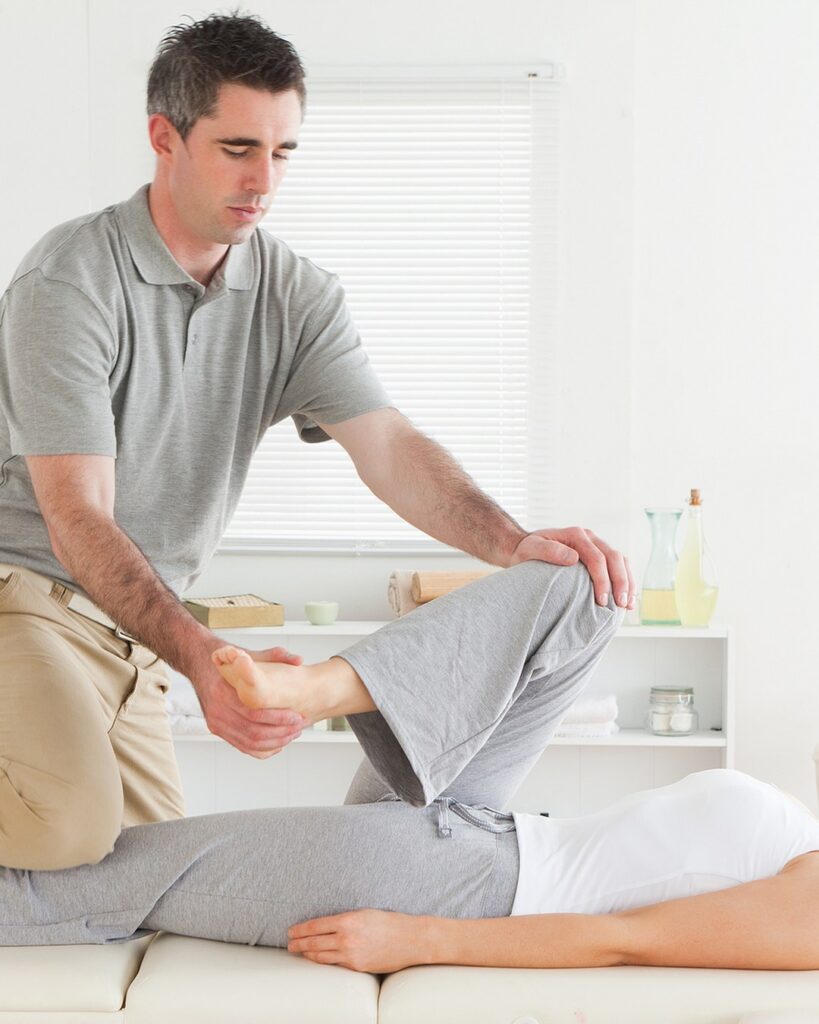
Grouped by joint, with what tends to help each. Every one of these is treated at Glenfield.
If it is mainly your knee, our guide to knee pain that won’t settle covers the common causes and the red flags to watch for.
Pain on stairs, stiffness first thing, and swelling after activity. Treatment focuses on knee strength, hip control and keeping you walking, which is what the evidence supports for arthritic knees.
Groin or buttock pain that bites when you get out of the car, and a hip that stiffens overnight. Hands-on work to restore range, plus strengthening that makes walking easier.
Catching, locking or pain at the back of the knee. Most meniscus problems settle with loading rather than surgery, and we will say if an opinion is worth getting.
Shoulders that lose range over months and wake you at night. Long condition, slow course, and treatment that matches the stage you are at.
Rehabilitation after knee or hip replacement and after arthroscopy, working to your surgeon’s protocol rather than a generic programme.
When hands, knees and hips are all involved, treatment is about keeping you moving and prioritising what limits you most.
When to get it looked at
Joint pain that has been there more than a few weeks, that is changing how you walk, or that stops you doing something you care about, is worth an assessment. So is a joint that keeps swelling.
See a doctor rather than us if the joint is hot, red and swollen with fever, if you cannot bear weight after a fall, or if the joint gave way suddenly and locked. Those need a different pathway, and we will tell you so.
Who treats it
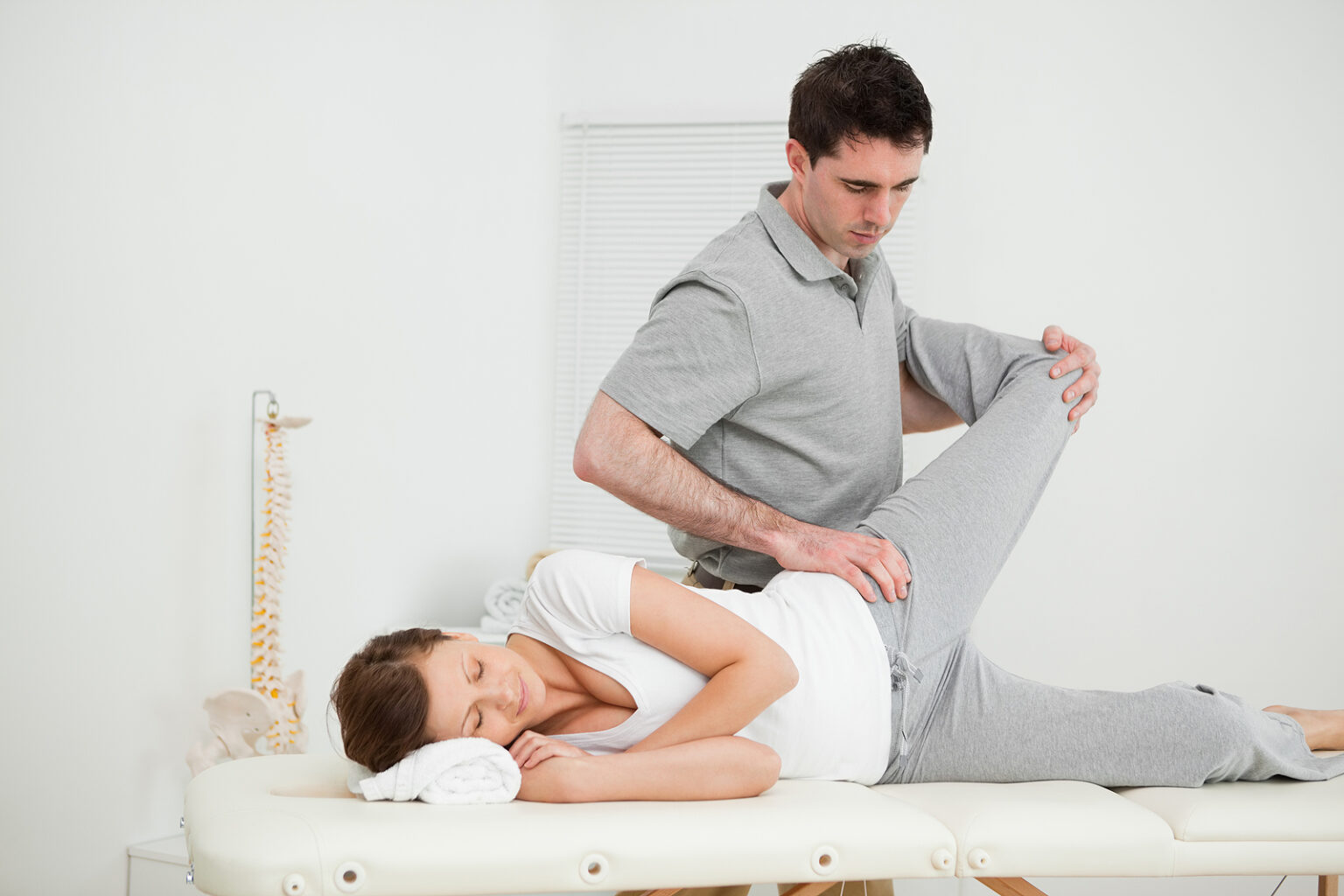
Four disciplines in one building, so your treatment suits the joint rather than whoever you happened to book.
Strengthening is the core treatment for arthritic knees and hips. Progressive loading, gait work and a programme that fits your week.
Hands-on work to restore the movement lost around a painful joint, including the back and pelvis that change how you load it.
Eases the muscles that overwork around a sore joint, and helps when stiffness is limiting what you can practise.
Used for arthritic joint pain that is disturbing sleep or has not settled with hands-on treatment alone.
What treatment looks like
Osteoarthritis is managed rather than cured. Done properly, that still means a great deal less pain.
What the joint is being asked to do, and which movements above and below it have stopped sharing the work.
Hands-on treatment and activity adjustments to calm things down without you stopping moving altogether.
The part that changes arthritic joints. Strength around the knee or hip, progressed over weeks, not days.
A short maintenance programme, and a plan for what to do when it flares, because it occasionally will.
Between appointments
Movement is the treatment, within reason. Joints that are rested completely stiffen and weaken, and the pain usually gets worse rather than better. Short, frequent walks beat one long one.
Heat before activity and ice after a flare suits most people, though it is preference as much as physiology. Losing even a small amount of weight noticeably reduces knee load, but that is a long game and not the first thing we would ask of you.
Sleeping is often the worst part. A pillow between the knees takes load off an arthritic hip — our guide to sleeping positions covers how to set it up.
Common questions
Anything else? Call 09 444 3231.
Visiting us
| Monday – Thursday | 7:00am – 7:00pm |
|---|---|
| Friday | 7:00am – 6:00pm |
| Saturday | 10:00am – 5:00pm |
| Sunday | Closed |
| Monday – Friday | 8:00am – 7:00pm |
|---|---|
| Saturday | 10:00am – 5:00pm |
| Sunday | Closed |
Other conditions
Book online at Glenfield or Orewa, or call us and we will get you in with the right person.