
Osteopath, Physio or Chiropractor: Which One Do You Actually Need?
Osteopath, physio or chiropractor? They overlap more than any of them tend to admit. Here is an honest look at how the three professions differ in New Zealand, and how to pick the right one for your problem.
1The Honest Answer First
There is more overlap between these three than the marketing suggests. A good practitioner in any of them will assess you properly, treat with their hands, give you exercises, and know when to refer you elsewhere.
In New Zealand all three are registered health professions with protected titles, governed by their own regulatory authority, and all three are ACC treatment providers who can lodge a claim without a GP referral.
So the honest answer is that the individual practitioner matters more than the profession on the door. That said, there are real differences in emphasis and training, and they do point you in different directions for certain problems.
2Osteopathy — Whole-Body, Hands-On
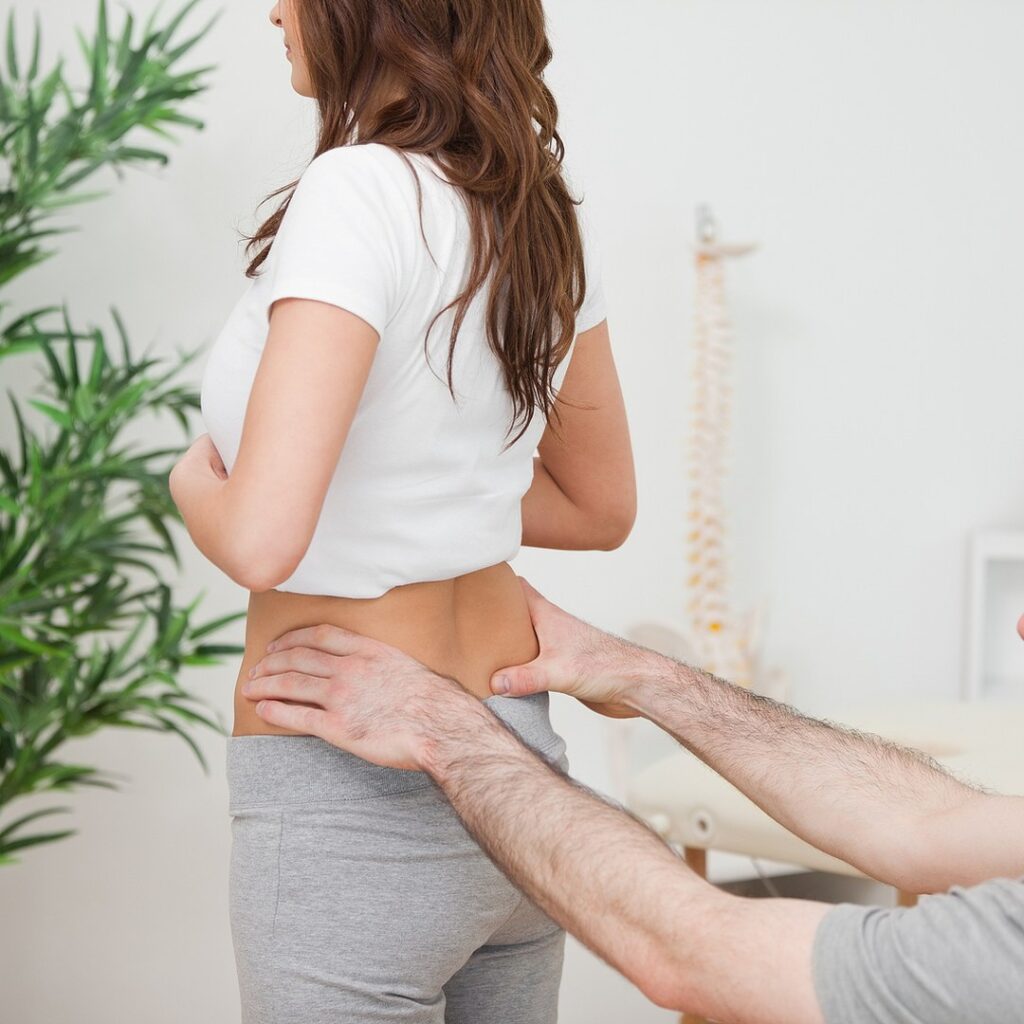
Osteopathy works from the principle that the body functions as a connected unit, and that a symptom in one place often originates somewhere else entirely. A painful knee gets the hip and ankle examined. A recurring headache gets the neck, jaw and upper back assessed.
Training: five years, including a Master of Osteopathy in New Zealand.
Typical session: longer appointments, largely hands-on — soft tissue work, joint articulation, stretching, and sometimes manipulation. Usually 30–45 minutes.
Often the better fit for: pain that keeps returning, problems where the cause is not obvious, multiple areas bothering you at once, and people who want a broader look rather than a focus on the painful part alone.
3Physio — Rehab, Loading and Return to Function
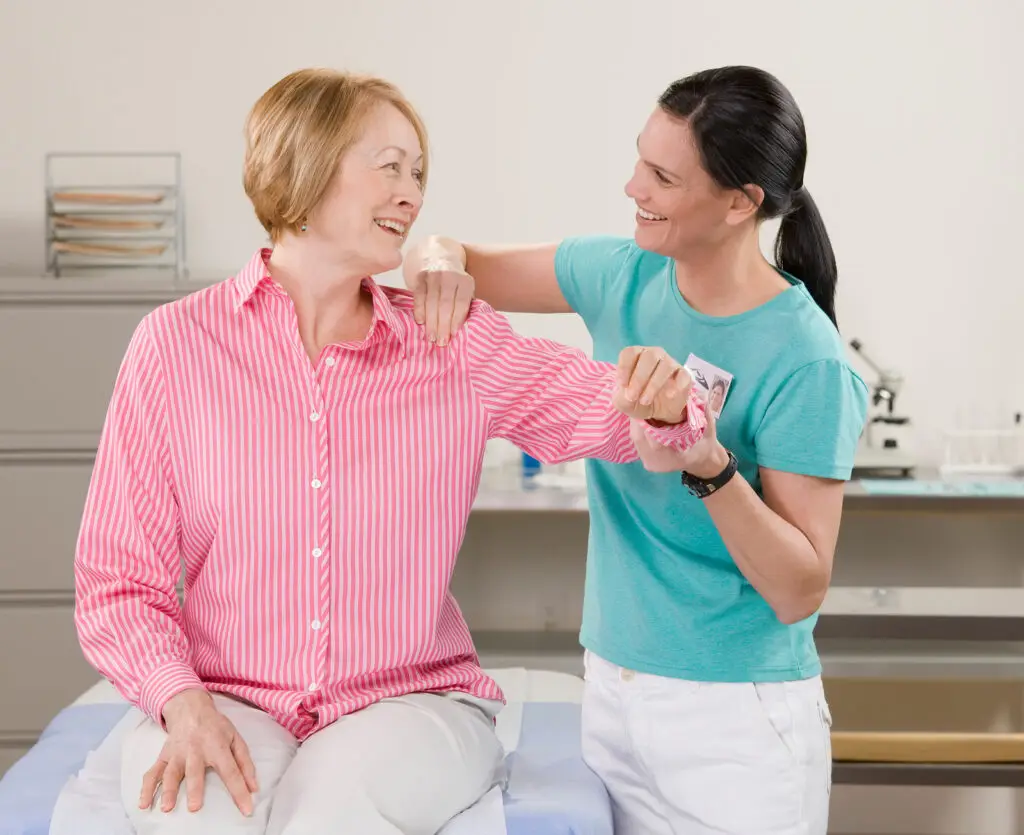
Physio’s centre of gravity is rehabilitation — restoring strength, control and capacity after injury or surgery, and getting you measurably back to doing what you need to do.
Training: four years, Bachelor of Physiotherapy.
Typical session: assessment, hands-on treatment, and a strong emphasis on prescribed exercise with clear progressions and measurable goals. Often includes Western medicine acupuncture (dry needling).
Often the better fit for: post-surgical rehab, sports injuries with a return-to-play timeline, tendon problems needing structured loading, and anything where you need to rebuild strength rather than just settle pain.
Physio is also the route to CareWay, which can fully fund treatment for eligible knee, shoulder and lower back injuries.
4Chiropractic — Spinal Focus
Chiropractic centres on the spine and the nervous system, with spinal adjustment as the primary tool. Sessions are typically shorter and more frequent.
Training: five years in New Zealand.
Often chosen for: acute spinal pain and stiffness, and by people who have found adjustment-based treatment works well for them.
We should be straightforward here — we do not offer chiropractic at Premier Wellness, so we are not the right people to make its case. If adjustment-led care is what you are after, a chiropractor is who you want, and we will happily say so.
5How to Choose — A Practical Guide
If you want a rule of thumb rather than a philosophy lecture:
- Recent injury with a clear incident, needing to get back to sport — physio
- Post-surgical, or needing structured strength rebuilding — physio
- Recurring problem that keeps coming back despite treatment — osteopathy
- Pain with no obvious cause, or several areas at once — osteopathy
- Pregnancy-related pain — osteopathy, with a practitioner experienced in it
- Headaches with a neck component — osteopathy
- Knee, shoulder or lower back injury that might be CareWay-eligible — physio
Being a multidisciplinary clinic makes this easier — if you start with the wrong one, we move you internally rather than sending you back out to start again. That is genuinely the main advantage of somewhere that offers both.
Osteopath, Physio or Chiropractor: Common Questions
Do I need a GP referral for any of them?
No. Osteopaths, physios and chiropractors in New Zealand are all first-contact providers. You can book directly, and ACC-registered practitioners can lodge a claim at your first visit.
Is one of them better for back pain?
No, and anyone claiming otherwise is overselling. All three treat back pain effectively. The difference is emphasis: physio leans toward loading and rehab, osteopathy toward whole-body assessment, chiropractic toward spinal adjustment.
Can I see both an osteopath and a physio?
Yes, and sometimes it is the sensible approach. A common pattern is osteopathy to settle a persistent problem and physio to rebuild the strength that will stop it returning. We coordinate this internally rather than duplicating work.
Which is cheapest?
Physio typically has the lowest ACC part-charge, and CareWay can make eligible injuries fully funded. But choosing on price alone is a false economy if it is not the right treatment for your problem.
What if I pick wrong?
A competent practitioner will tell you at the first appointment if you would be better served by someone else. Here, we simply move you to the right person in the same clinic.
Not sure which you need?
Tell us what is wrong and we will point you to the right practitioner. Both clinics, ACC registered.