
Auckland · Glenfield & Orewa
Pelvic, back and rib pain through every trimester
Pelvic girdle pain that bites when you roll over in bed, a lower back that gave out at week 26, ribs that ache because there is nowhere left for them to go. You do not have to wait until the birth to get it looked at.
Pregnancy pain treatment
Pregnancy changes how your pelvis loads within weeks. Ligaments soften, your centre of gravity moves forward, and the muscles that used to hold everything steady are being asked to do it differently. Pain is common — roughly half of pregnant women get back or pelvic pain — but common is not the same as untreatable.
We see pelvic girdle pain, lower back pain, rib and upper back pain, sciatic-type leg pain and the wrist and hand symptoms that arrive late on. Treatment is adapted to your stage, with side-lying positioning and gentler technique as the bump grows.
Both Auckland clinics have physiotherapists, osteopaths and massage therapists who work with pregnancy regularly. You do not need a referral, and we are happy to work alongside your midwife.

What we treat
The complaints that fill a pregnancy caseload, and what actually helps each.
Pain at the front of the pelvis or over the tailbone, worst when rolling in bed, climbing stairs or standing on one leg. We use support, technique changes and hands-on treatment.
The most common pregnancy complaint, usually arriving in the second trimester as the load changes. More on back pain.
Ribs that ache as the bump pushes upward, often worse sitting and eased by movement and breathing work.
Pain travelling into the buttock and leg, usually from the deep gluteal muscles rather than a disc. More on sciatica.
Carpal tunnel-type numbness and pins and needles, common in the third trimester and usually settling after birth.
Neck, shoulder and back pain from feeding and carrying, and getting back to exercise safely after the birth.
When to call your midwife
We treat musculoskeletal pain. Some symptoms are not musculoskeletal and need your midwife, your GP or the hospital, not an appointment with us.
Contact your midwife or maternity unit straight away for vaginal bleeding, fluid loss, regular tightenings before 37 weeks, reduced fetal movements, severe headache with visual changes or swelling, or pain in your upper abdomen. When in doubt, call them first — we would always rather you did.
Who treats it
Many people use two together. This is how we choose.
Assessment of how you are loading the pelvis, support belts where they help, and exercises to keep the muscles doing their job. Best when pain is movement-related and you want something to do about it.
Hands-on treatment of the pelvis, lower back and ribs, adapted by trimester. Osteopathy during pregnancy.
Side-lying massage for muscular tension and relaxation, from the second trimester onwards.
Used for pelvic pain, nausea and sleep in pregnancy, with points and positioning adapted accordingly.
Your first visit
Straightforward, unhurried, and adapted to how far along you are.
How far along you are, what hurts, how you are sleeping, how the pregnancy is going, and anything your midwife has raised.
How you move, stand and load the pelvis. Nothing uncomfortable, and positioning adapted to your stage.
Hands-on treatment in side-lying, plus taping or a support belt if that is what will help most.
Two or three specific things, not a printout of twenty exercises nobody does at 34 weeks.
Between appointments
Keep the legs together when you move. Roll in bed with knees stacked, swing both legs out of the car together, and sit down to put on trousers — the movements that separate the legs are the ones that aggravate pelvic girdle pain.
Sleep on your side with a pillow between the knees and one under the bump. Our guide to sleeping positions covers the set-up, and it makes more difference than most exercises.
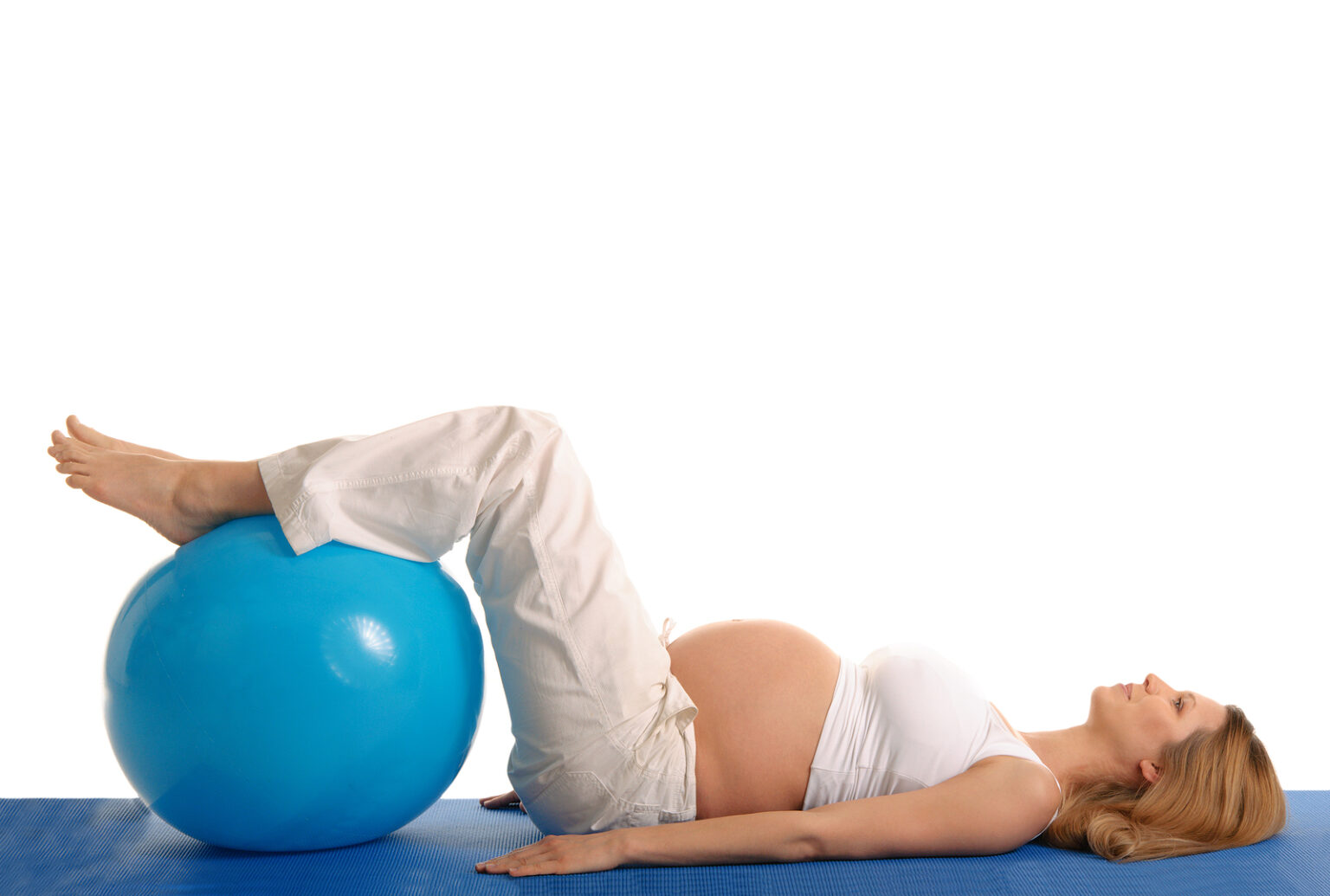
Keep moving within comfort. Walking, swimming and stationary cycling are usually well tolerated, and staying active is linked to easier recovery afterwards. Stop anything that leaves you sorer the next day and tell us about it.
Common questions
Anything else? Call 09 444 3231.
Visiting us
| Monday – Thursday | 7:00am – 7:00pm |
|---|---|
| Friday | 7:00am – 6:00pm |
| Saturday | 10:00am – 5:00pm |
| Sunday | Closed |
| Monday – Friday | 8:00am – 7:00pm |
|---|---|
| Saturday | 10:00am – 5:00pm |
| Sunday | Closed |
Related conditions
Book online at Glenfield or Orewa, or call 09 444 3231 and tell us how far along you are.