
Meditate More: A Practical Guide to Mindfulness & the Relaxation Response
In a busy society we feel like we constantly have to be doing something. What most of us actually need more of is nothing — and learning how to meditate is a genuinely effective way to take that break every day.

1Mindfulness Meditation Instructions
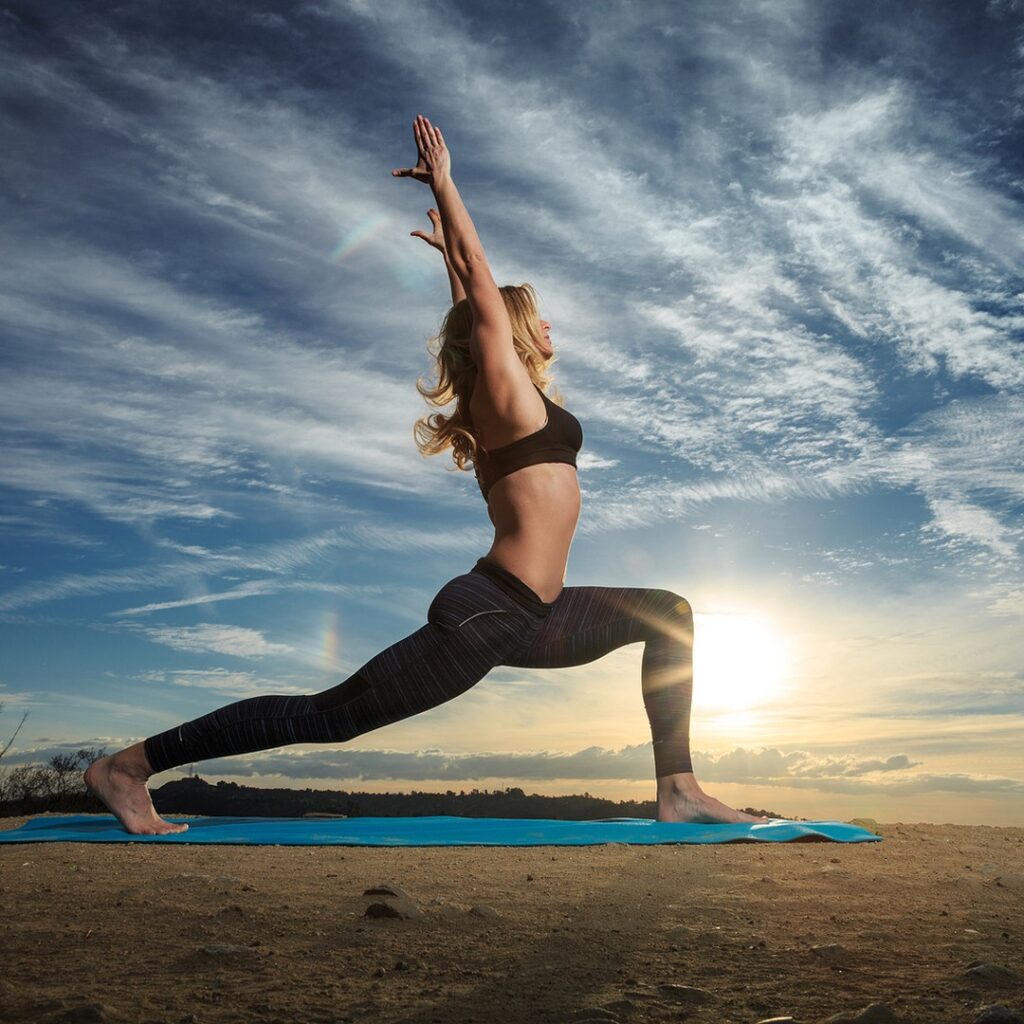
- Sit in a comfortable position. Try to sit in the same place each day, and avoid positions you might fall asleep in.
- The back is long and supports itself.
- Shoulders are relaxed downward, the neck is long, and the chin points neither up nor down.
- The face is relaxed.
- Begin to breathe, preferably through the nostrils. Feel the belly rise, the ribs expand, and the slight movement in the collarbones and shoulders as the breath moves upward. Feel the exhalation.
- Focus on one aspect of the breath:
- the movement of air in and out of the nostrils, or
- the lifting and falling of the belly.
- Watch that one aspect of the breath.
- When the mind wanders, gently bring it back to the breath and the aspect you have chosen to watch.
- Do this as many times as you need to.
- There is no such thing as a good or bad meditation. Good and bad are judgments — events in the mind. Just note them and go back to the breathing.
- Start with 5–10 minutes, then increase the time until you can sit for 30 minutes.
2The Relaxation Response
The Relaxation Response is a simple, effective mind/body approach to relieving stress. Discovered by Dr Herbert Benson at Harvard Medical School, it is routinely recommended for patients with heart conditions, high blood pressure, chronic pain, insomnia and many other physical complaints.
Measurable effects of the Relaxation Response
- Decreased heart rate
- Decreased blood pressure
- Lower respiratory rate
- Lower pulse rate
- Decreased oxygen consumption
- Decreased muscle tension
- Reduction of cortisol
- Reduction of noradrenaline
3How to Practise the Relaxation Response
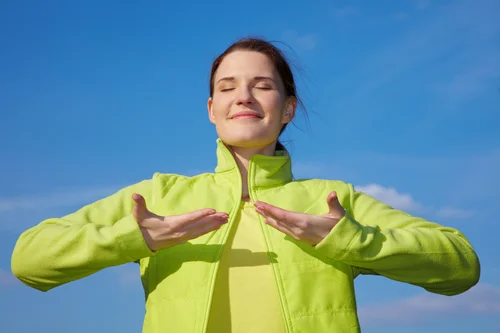
- Sit quietly in a comfortable position.
- Close your eyes.
- Deeply relax all your muscles, beginning at your feet and progressing up to your face. Keep them relaxed.
- Breathe through your nose. Become aware of your breathing. As you breathe out, say the word “one” silently to yourself — breathe in… out, “one”, breathe in… out, “one”.
- Breathe easily and naturally.
- Continue for 10 to 20 minutes.
- You may open your eyes to check the time, but do not use an alarm.
- When you finish, sit quietly for several minutes — at first with your eyes closed, later with them open.
- Do not stand up for a few minutes.
4Making It a Habit
Do not worry about whether you are successful in achieving a deep level of relaxation. Maintain a passive attitude and permit relaxation to occur at its own pace. When distracting thoughts occur, try to ignore them by not dwelling on them, and return to repeating “one” — or any soothing, pleasant sound, preferably with no meaning or association, to avoid stimulating unnecessary thoughts.
With practice, the response should come with little effort. Practise the technique once or twice daily, but not within two hours after a meal — digestive processes seem to interfere with eliciting the Relaxation Response.
Apps worth starting with
- Calm
- Insight Timer
- Do Yoga With Me
How to Meditate: Common Questions
How long should I meditate each day?
Start with 5–10 minutes and build gradually toward 30 minutes. Consistency matters far more than duration — ten minutes daily beats an hour once a week.
What if my mind keeps wandering?
That is meditation working, not failing. Noticing that your mind has wandered and gently returning to the breath is the entire practice. There is no such thing as a good or bad meditation.
Is the Relaxation Response the same as meditation?
They overlap. The Relaxation Response is a specific technique documented by Dr Benson at Harvard, using a repeated word on the exhale. It is clinically studied for blood pressure, chronic pain and insomnia.
Stress showing up in your body, not just your head?
Persistent tension, poor sleep and fatigue often have physical drivers worth investigating — not just managing.