
How to Sleep Soundly: A Practical Sleep Hygiene Guide
Sleep is vital to how we function in life — it gives us the energy we need, helps repair the body, and lets us rest and digest instead of constantly running in fight-or-flight mode. Here’s a genuinely practical, evidence-based guide to better sleep.

1Sleep Planning & Preparation

- Plan your sleep by putting it into your schedule — aim for 8½ to 9 hours in bed.
- As much as possible, go to sleep and wake up at the same time each day. This trains your circadian rhythm (biological clock).
- Avoid getting into bed after midnight — late-hour sleep isn’t as restorative as earlier sleep.
- Avoid late afternoon or evening naps.
- Avoid naps longer than 45 minutes unless you’re sick or significantly sleep deprived.
- Avoid large meals or spicy foods before bed, and finish eating at least 3 hours before you sleep.
- Avoid drinking more than 4–8 ounces of fluid before bed.
- Try a hot salt/soda aromatherapy bath — raising your body temperature before sleep helps induce it, and a hot bath also relaxes muscles and reduces tension. Add 1–2 cups Epsom salts (magnesium sulfate, absorbed through the skin), ½ to 1 cup baking soda (alkalising for a stressed, acidic body), and 10 drops of lavender oil (helps lower cortisol).
2Avoid or Minimise Stimulants Before Bed

- Avoid alcohol (wine, beer, spirits) within 3 hours of bedtime.
- Avoid caffeine after 2pm — earlier if you’re sensitive to it. This includes cola, tea, coffee, lattes, chocolate, and coffee-flavoured ice creams or desserts. Read labels.
- Avoid Sudafed or other decongestant cold medicines at night.
- Some medications have stimulating effects — ask your pharmacist or doctor whether any of yours could be contributing to poor sleep. Don’t stop taking anything without their approval.
- Finish any aerobic exercise at least 3 hours before bedtime, ideally before 6pm.
3Trouble Falling Asleep, or Staying Asleep?
- Read a genuinely boring or neutral book under low light — it helps.
- Don’t lie in bed for more than 20–30 minutes trying to fall asleep. Get up, go to another room, and read or do a relaxation technique like meditation. No screens.
- If you wake early because of light, cover your eyes with a dark mask.
- If you wake early because of racing thoughts, try writing them down in a journal. If that doesn’t help, it may be worth talking to someone — low mood can be a factor.
4Fix Your Sleep Environment

Light & Noise
- Dim the lights in your bathroom and living spaces 15 minutes before bed.
- Use a dimmer or a low reading light in the bedroom itself.
- Use dark curtains, an eye mask, or a blackout cover if light wakes you too early.
- If you’re trying to shift to an earlier bedtime, half an hour of bright light (ideally 10,000 lux) first thing in the morning can help reset your body clock.
- Reduce noise with closed windows, earplugs, a white noise machine, or a HEPA air filter running in the background.
- Turn off or remove any appliances or clocks that make noise overnight.
Temperature & Electromagnetic Fields
- Keep your bedroom at a comfortable temperature — not too hot, not too cold.
- Where possible, keep your head at least 1.5 metres from electrical fields — outlets, clock radios, phones, computers and monitors. Consider repositioning your bed or these devices if that’s not currently the case.
- Avoid water beds or electric mattresses, which run hot and generate stronger electrical fields.
5Bedding & Pillows to Help You Sleep Soundly
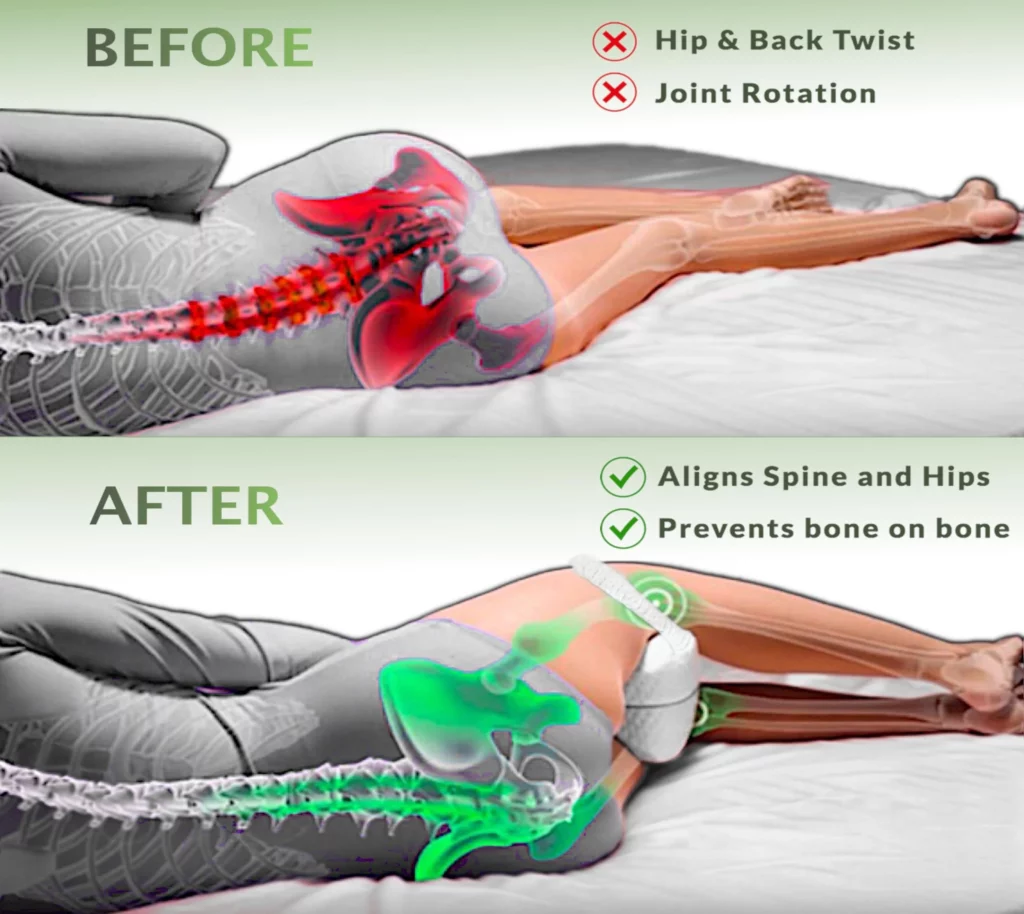
- Consider hypoallergenic pillows, along with ultrafine allergy covers for pillows and mattress.
- A “side sleeper” pillow under the neck helps if you sleep on your side.
- A body pillow between the knees keeps your back and shoulders aligned overnight.
- If you have hip bursitis, try rolling slightly backwards onto a body pillow rather than lying flat on the affected side.
- Buy the best quality bed and linen you can reasonably afford — it’s not a place to cut corners.
6Supplements & Natural Sleep Support

Practitioner-Recommended Supplements
We stock practitioner-only supplements — the highest quality available, and not sold over the counter. Speak with one of our practitioners before starting anything new, so it’s actually right for you.
A-Drenals
2 capsules morning and night. Helps normalise your cortisol curve and restore a healthy sleep-wake cycle.
Magnesium Citrate or Magnesium Glycinate
200–400mg at bedtime. Magnesium for sleep is one of the best-studied natural aids — it helps relax muscles and calm the nervous system.
Soothe & Relax
3 capsules before bed — supports muscle and joint comfort while calming the mind ahead of sleep.
Herbal Support
Evening Herbal Tea
Chamomile, lemon balm or passionflower as a wind-down ritual, to support relaxation and sleep onset.
Common Questions About Sleep
How many hours of sleep do adults actually need?
Most adults need 8½ to 9 hours in bed to get truly restorative sleep — not just 7 or 8 hours of time asleep. Consistency matters as much as quantity: going to bed and waking at the same time daily trains your circadian rhythm to work with you, not against you.
Does magnesium for sleep actually work?
Yes — magnesium citrate or glycinate (200–400mg at bedtime) is one of the better-evidenced natural sleep aids, largely because magnesium supports muscle relaxation and nervous system regulation. It’s not a sedative, so don’t expect it to work like one; it supports the conditions for sleep rather than forcing it.
Why do I keep waking up at 3am?
Waking consistently in the early hours is often linked to a disrupted cortisol curve, blood sugar dips, or an environment that’s too light, warm or noisy. If it’s a regular pattern rather than an occasional one, it’s worth investigating the underlying cause with a Functional Medicine consultation rather than just treating the symptom.
How long does it take to fix bad sleep hygiene habits?
Most people notice a difference within 1–2 weeks of consistent sleep hygiene changes — a fixed sleep schedule, cutting evening caffeine and alcohol, and a darker, cooler bedroom. Deeper issues like chronic insomnia or hormonal disruption can take longer and usually benefit from professional support.
Sleep issues that don’t budge are often worth investigating properly
If you’ve tried the basics and you’re still not sleeping well, a Functional Medicine consultation looks at what’s actually driving it — cortisol, hormones, nutrient gaps — rather than just managing symptoms.