
Auckland · Glenfield & Orewa
Sports physio is not just treatment for the sore bit. It is working out what failed, loading the tissue back up properly, and testing that you are genuinely ready before you play again — which is the part most people skip, and why the same injury keeps coming back.
What sports physio is
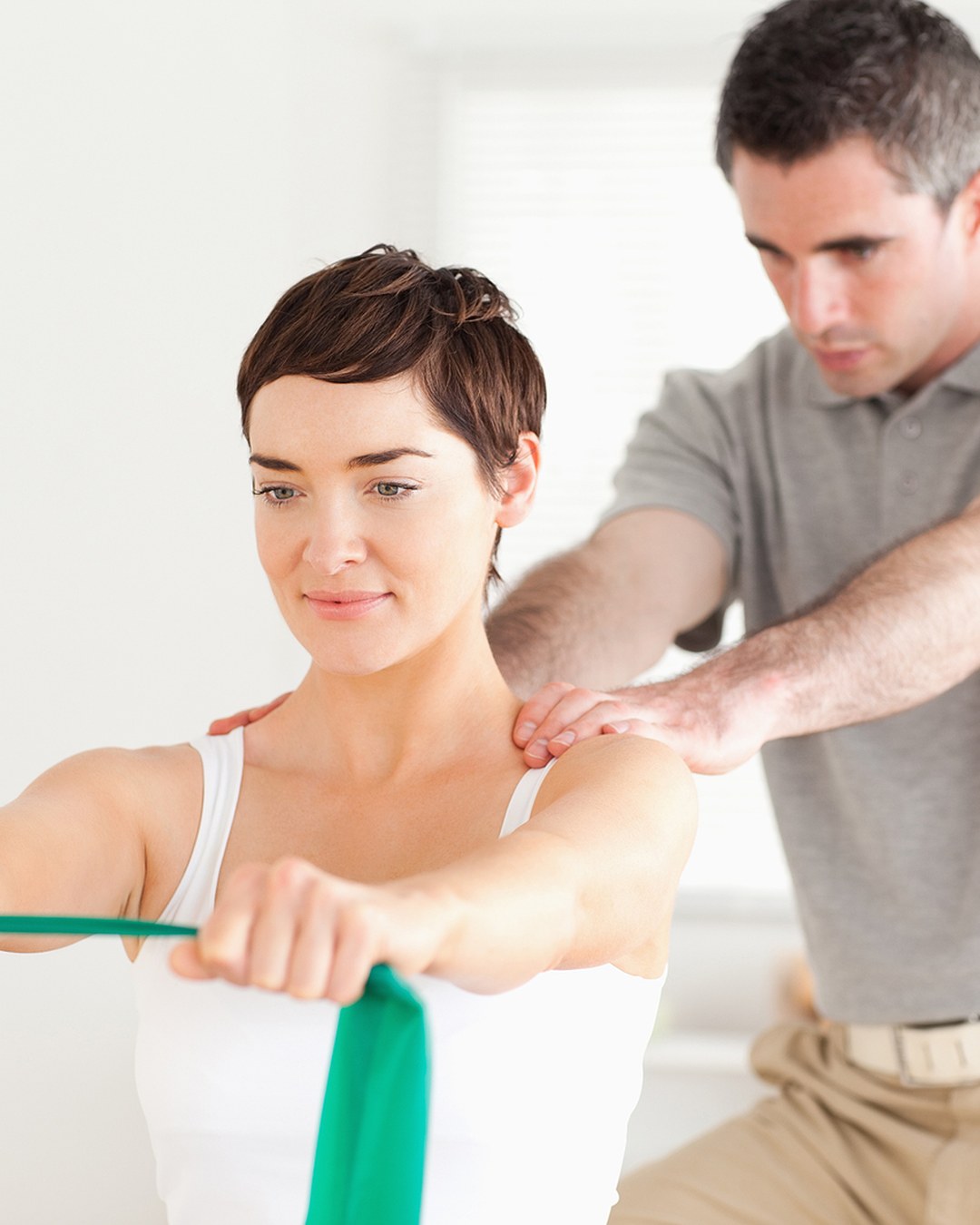
Sports physiotherapy covers the whole arc of an injury: diagnosis, settling it down, rebuilding strength and capacity, and a clear decision about when you are ready to return. Every stage has criteria, so you are not guessing.
We treat the full range, from netballers and weekend runners to trades workers whose sport is the only thing keeping them sane. You do not have to be competitive to benefit; you just have to want to get back to it properly.
Both Auckland clinics are ACC registered and CareWay providers, with appointments from 7am at Glenfield so treatment fits around training and work. No GP referral is needed.
What we treat
The injuries that fill a sports physio’s week, and what rehabilitation actually involves for each.
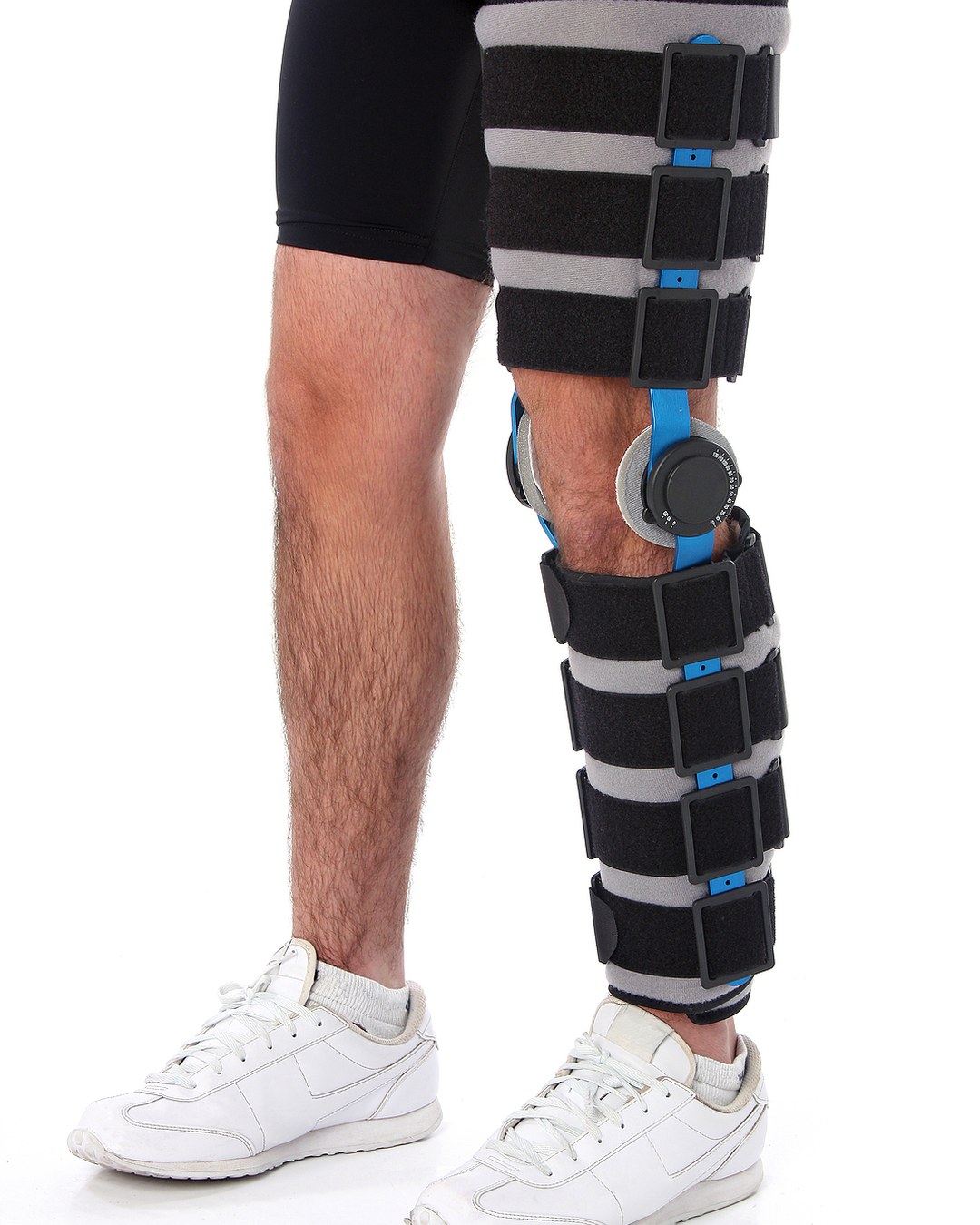
Post-surgical ACL rehabilitation stage by stage, runner’s knee, patellar tendon pain and meniscus problems, with strength testing before return.
The injuries with the highest re-injury rate in sport, because people return when the pain stops rather than when the strength returns.
Tendons need progressive loading rather than rest. Programmes run over months, not weeks, and they work when they are followed.
Rotator cuff, impingement and instability from throwing, swimming, racquet sports and the gym.
The most under-rehabilitated injury in amateur sport. Balance and strength work is what stops the third and fourth sprain.
Lower back pain and hip or groin pain in running, football and gym-based training, where load management matters as much as treatment.
When to book
Come in when pain has not clearly improved within three or four days, when a joint feels unstable, when you are modifying how you train to avoid pain, or when the same injury keeps returning each season. Early rehabilitation is shorter rehabilitation.
Go to urgent care or an emergency department instead if you cannot weight-bear after an injury, the joint looks deformed, or you took a knock to the head.
What is included
Four things make the difference between treatment and actual rehabilitation.
A clear explanation of what is injured, how long it should take, and what you can keep doing in the meantime. Most people can train around an injury more than they expect.
The core of sports physio. Strength and capacity rebuilt in stages, with the weights and reps written down, not a printout of generic stretches.
Objective checks before you go back: strength compared side to side, hop and jump testing, and sport-specific movement, so the decision is not a guess.
Western Medicine Acupuncture (dry needling), manual therapy and taping used alongside the programme where they speed things up — never as a treatment on their own.
How rehab runs
You move to the next stage when you pass its criteria, not when a number of weeks has gone by.
Calm the injury while keeping as much training as is safe. Complete rest is rarely the answer and costs you fitness.
Full range at the injured joint and the areas that stiffened up while you were guarding it.
Progressive loading until the injured side matches the other, measured rather than assumed.
Speed, change of direction, jumping and sport-specific drills, then a clear go-ahead and a plan to keep the strength you built.
Training around it
Most re-injuries happen in the first weeks back, usually because load jumped rather than climbed. Increasing training by roughly ten percent a week is a rough but useful guide, and a sudden return to full match minutes is the classic mistake.
Keep training what you can. A hamstring injury does not stop upper body work; an ankle sprain does not stop cycling. Maintaining fitness makes the return far shorter.
Sleep and food matter more than any recovery gadget. If you want the nutrition side looked at properly, our nutritionist works with athletes, and sports massage helps through heavy training blocks.
ACC & CareWay
Sports injuries are accidents, so ACC helps pay for treatment. We are ACC registered at both Auckland clinics and lodge the claim during your first appointment, with no GP referral. Knee, shoulder and lower back injuries may also qualify for CareWay, where treatment is often fully funded and imaging is faster to arrange. Any surcharge is on our prices page.
Rated by our patients
316+ five-star Google reviews across our two clinics — 231 at Glenfield and 85 at Orewa, both rated 5.0 on Google.
Common questions
Anything else? Call 09 444 3231.
Visiting us
| Monday – Thursday | 7:00am – 7:00pm |
|---|---|
| Friday | 7:00am – 6:00pm |
| Saturday | 10:00am – 5:00pm |
| Sunday | Closed |
| Monday – Friday | 8:00am – 7:00pm |
|---|---|
| Saturday | 10:00am – 5:00pm |
| Sunday | Closed |
Related
Book online at Glenfield or Orewa, or call 09 444 3231 and tell us what you are trying to get back to.