
Anti-Inflammatory Diet: A Practical Guide for New Zealanders
There is no single anti-inflammatory diet, but there is a well-researched way of eating that consistently helps. Here is what it looks like on a New Zealand plate, and what to be sceptical about.
1What “Anti-Inflammatory” Really Means
Inflammation is part of how the body heals. The problem is low-grade inflammation that hangs around for the long term, which is linked to joint pain, heart disease, type 2 diabetes and gut problems. Diet is one of the things that can nudge it in the right direction, alongside sleep, movement, stress and not smoking.
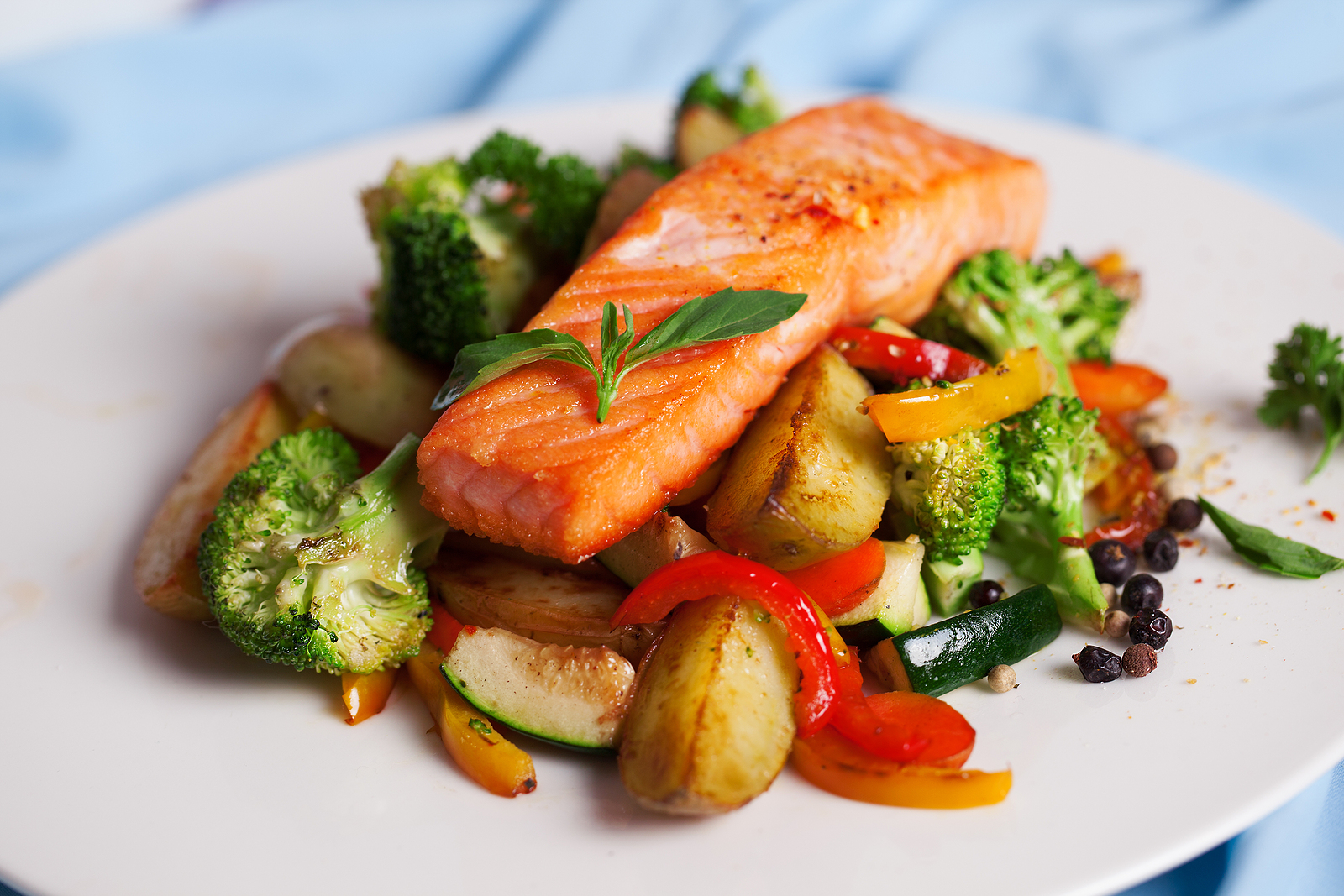
The best evidence is not for a special diet or a superfood. It is for an overall Mediterranean-style pattern: mostly plants, plenty of fibre, good fats, oily fish, and not much ultra-processed food.
2Foods to Eat More Of
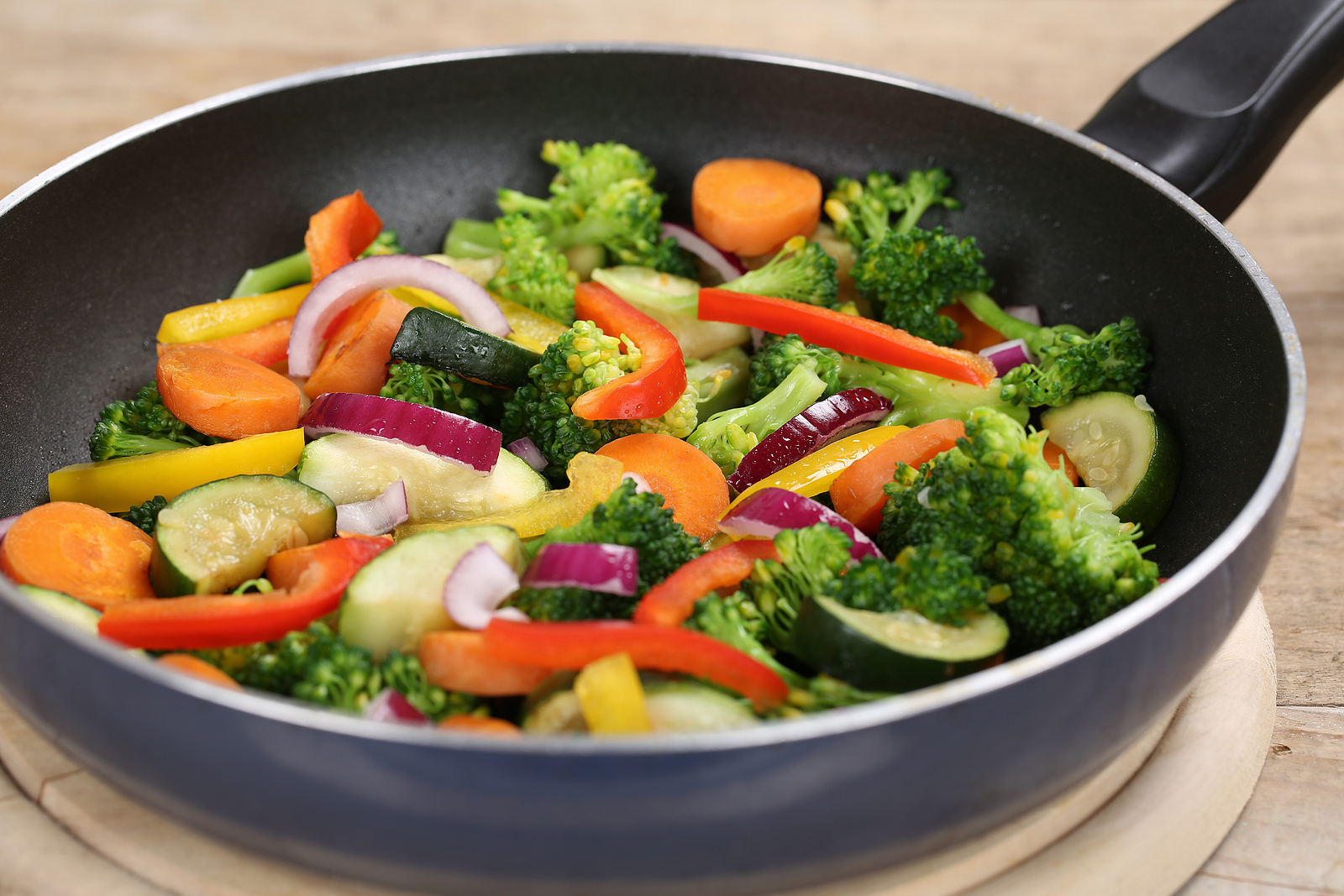
- Vegetables and fruit in lots of colours. Aim for half your plate to be vegetables at main meals. Frozen vegetables and berries count and are often cheaper.
- Legumes: chickpeas, lentils, kidney beans and baked beans.
- Wholegrains: oats, brown rice, wholegrain bread and barley.
- Oily fish two or three times a week: salmon, sardines, mackerel, or local kahawai and trevally. Tinned fish is a good, affordable option.
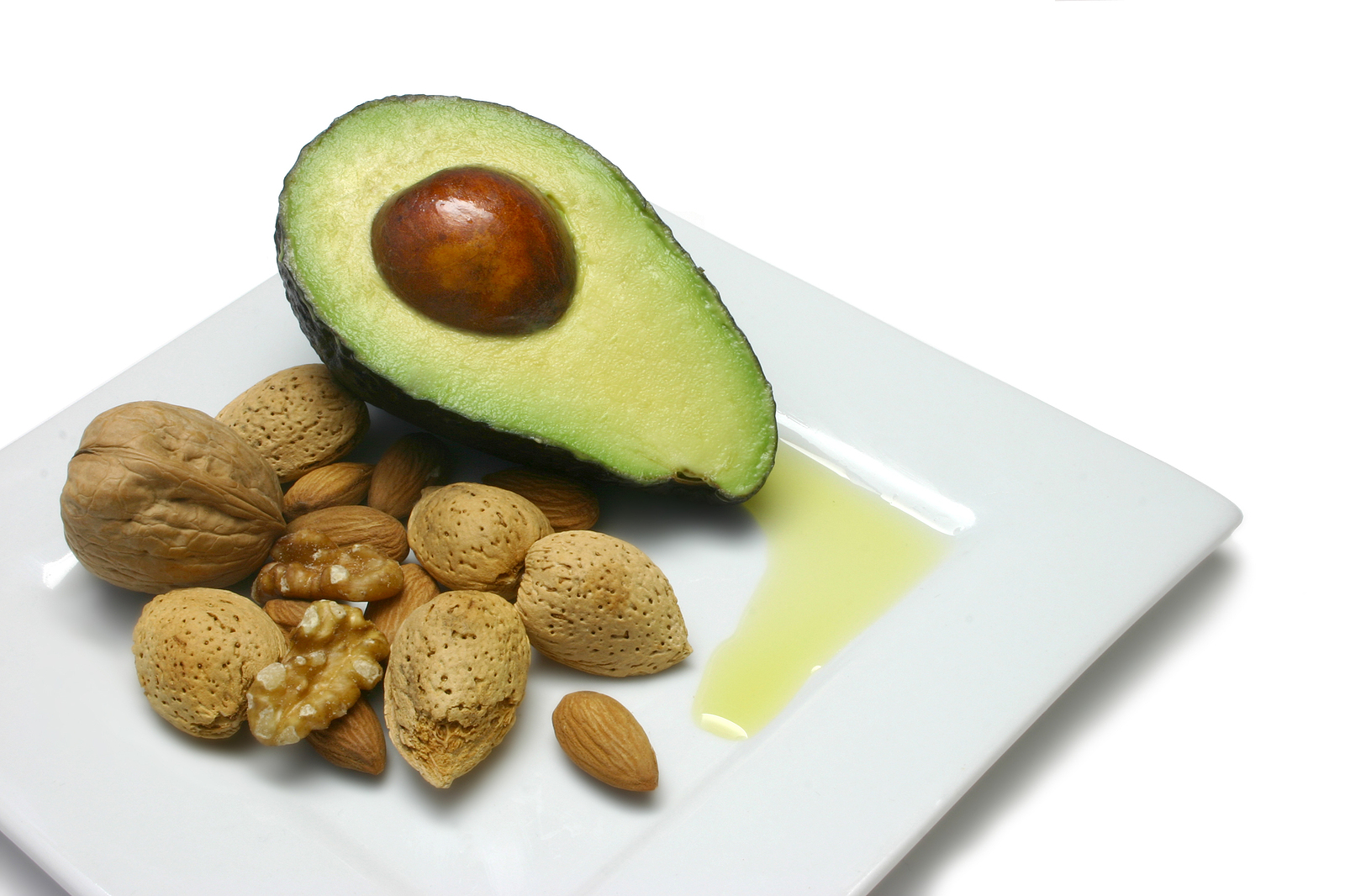
- Healthy fats: olive oil, avocado, nuts and seeds.
- Herbs and spices such as turmeric, ginger, garlic and cinnamon.
3Foods to Cut Back On
- Ultra-processed foods: packaged snacks, biscuits, pastries and ready meals high in refined starch, sugar and additives.
- Sugary drinks, including fizzy drinks, energy drinks and large amounts of juice.
- Processed meats such as bacon, ham, salami and sausages.
- Alcohol, particularly more than a couple of standard drinks at a time.
- Deep-fried takeaways more than occasionally.
You do not need to cut these out completely. The overall pattern matters more than any single food.
4A Sample Day
- Breakfast: porridge with frozen berries, a spoon of ground flaxseed and a handful of walnuts.
- Lunch: wholegrain wrap with tinned salmon, avocado, spinach and tomato.
- Snack: an apple and a small handful of almonds, or hummus with carrot sticks.
- Dinner: chicken or chickpea curry with lots of vegetables, turmeric and ginger, served with brown rice.
5When to Get Personalised Help
General guidelines suit most people, but they do not suit everyone. If you have ongoing gut symptoms, joint pain, fatigue, or several foods you think you react to, a personalised approach can help you work out what is going on rather than cutting out whole food groups by trial and error.
At Premier Wellness, our functional medicine and nutrition practitioners look at diet alongside sleep, stress, gut health and history. Where it is useful, functional testing can add more information. Testing is not funded by ACC or health insurance, and costs are discussed before anything is ordered. If you have a diagnosed medical condition, keep your GP in the loop with any big changes to your diet.
Anti-Inflammatory Diet — Common Questions
What is the best anti-inflammatory diet?
The best evidence is for a Mediterranean-style pattern: plenty of vegetables, fruit, legumes, wholegrains, olive oil, nuts and oily fish, with less ultra-processed food, sugary drinks, processed meat and alcohol.
How long does an anti-inflammatory diet take to work?
Some people notice more energy or less bloating within a few weeks. Changes in joint pain or blood markers usually take longer, often a few months of consistent eating.
Do I need to give up gluten or dairy?
Not usually. Cutting out whole food groups is only worthwhile if they are genuinely causing you problems, which is worth working through with a practitioner rather than guessing.
Is an anti-inflammatory diet expensive?
It does not have to be. Frozen vegetables and berries, tinned fish, legumes, oats and rice are some of the cheapest foods in the supermarket.
Want a plan that fits you?
Our functional medicine and nutrition practitioners look at diet, gut health, sleep and stress together. Glenfield and Orewa.