
Acupuncture: What It Treats, and What a First Session Is Really Like
What does acupuncture treat, and what does it feel like? If the needles are what is putting you off, this is worth reading. They are finer than a human hair, and most people are surprised by how little they feel.
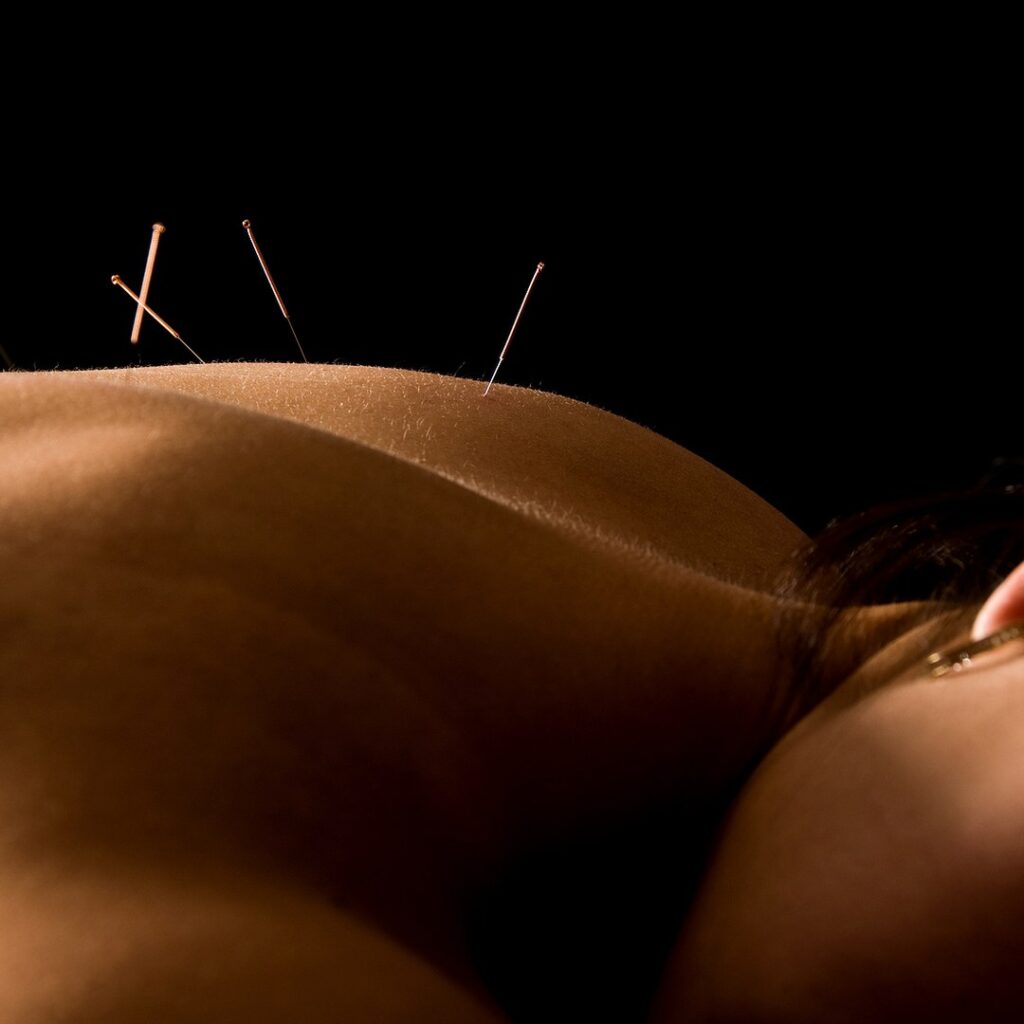
1What Acupuncture Is Used For
At Premier Wellness, most people come to acupuncture for one of these:
- Musculoskeletal pain — back, neck, shoulder and joint pain, often alongside osteopathy or physio
- Headaches and migraines
- Stress, anxiety and sleep difficulty
- Digestive complaints
- Women’s health — cycle-related symptoms, perimenopause and menopause support
- Fatigue and general depletion
We should be straight about the evidence: it is strongest for musculoskeletal pain, headache and migraine prevention, and nausea. For other conditions the research is more mixed, though many people report genuine benefit. We would rather tell you that than overclaim.
2TCM and Japanese Acupuncture — the Difference
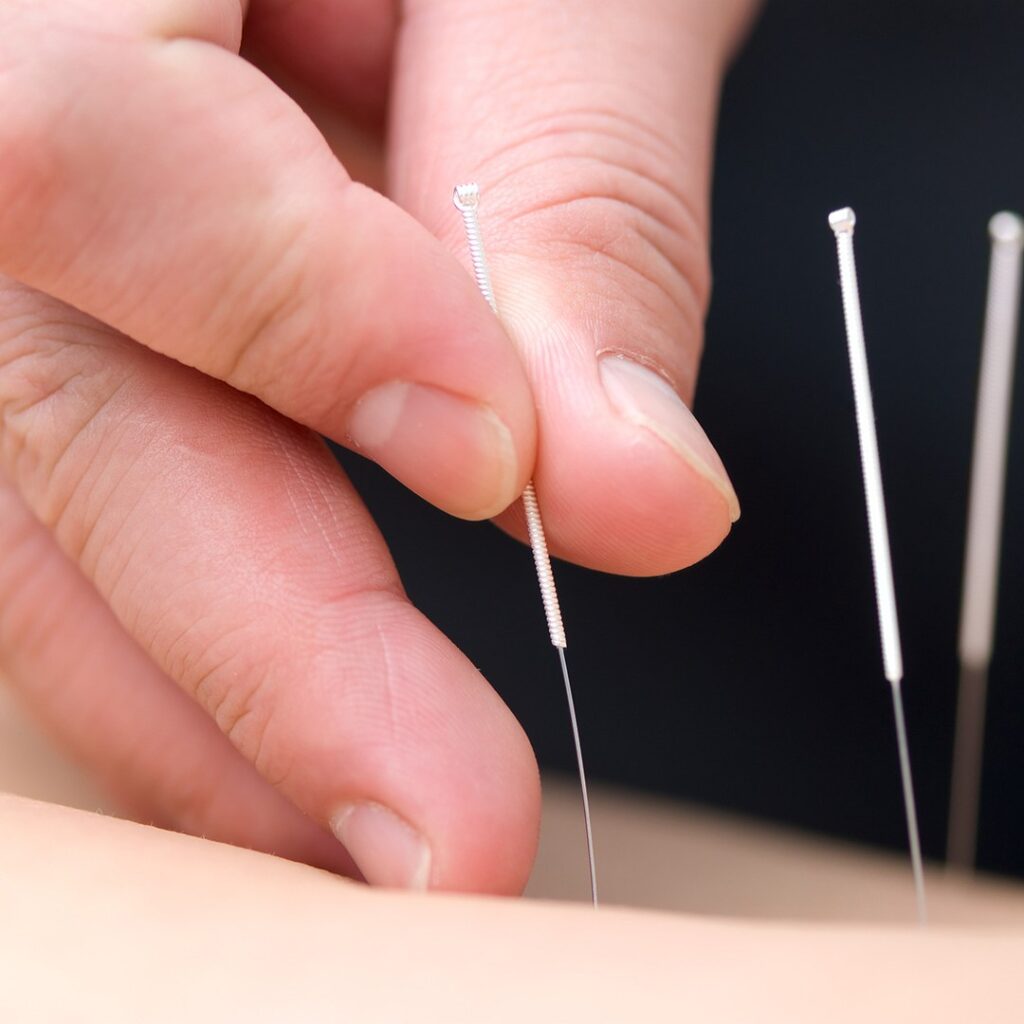
We offer both, and they feel quite different.
Traditional Chinese Medicine acupuncture uses slightly thicker needles inserted more deeply, often aiming for a distinct sensation practitioners call de qi — a dull, heavy, spreading feeling. Many people find it satisfying; it is not painful, but you certainly know it is happening.
Japanese acupuncture uses finer needles, shallower insertion, and a much gentler touch. Often you barely feel the needle at all. It suits people who are needle-shy, sensitive, or simply prefer a subtler approach.
If you are nervous, say so when you book. We will match you accordingly.
3What Actually Happens in a First Session
An initial appointment runs around 45 minutes to an hour.
- A thorough case history — not just the presenting problem but sleep, digestion, energy, stress and cycle where relevant. This is how the treatment gets tailored.
- Assessment — which may include pulse and tongue examination in TCM, and physical examination of the affected area.
- Needling — usually somewhere between six and twenty points. Some will be near the problem, some deliberately distant, often on the hands, feet or lower legs.
- Resting with the needles in for 20–30 minutes. Most people find this deeply relaxing and a fair few fall asleep.
- Removal — quick and painless.
Afterwards you may feel pleasantly relaxed or a little spacey. Occasionally people feel tired that evening and notably better the next day.
4Cupping and Combined Treatment
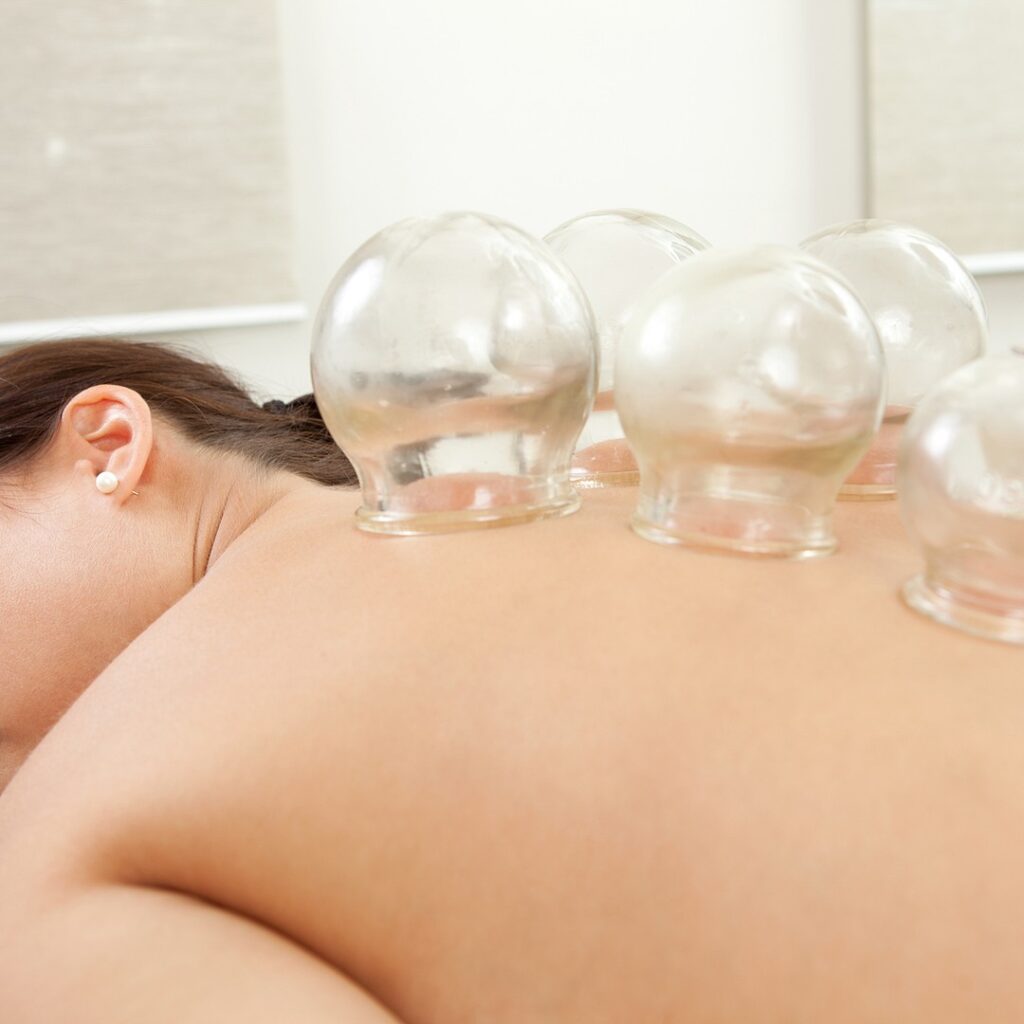
Cupping is often used alongside acupuncture for muscular tightness, particularly across the back and shoulders. Suction cups lift and decompress the tissue rather than compressing it as massage does.
It can leave circular marks for a few days. These are not bruises in the usual sense and they are not painful — but if you have a wedding or a beach holiday that week, mention it and we will work around it.
We also offer a combined appointment pairing acupuncture with manual therapy and shiatsu, which suits stubborn musculoskeletal problems where one approach alone has not quite done it.
5Cosmetic Acupuncture
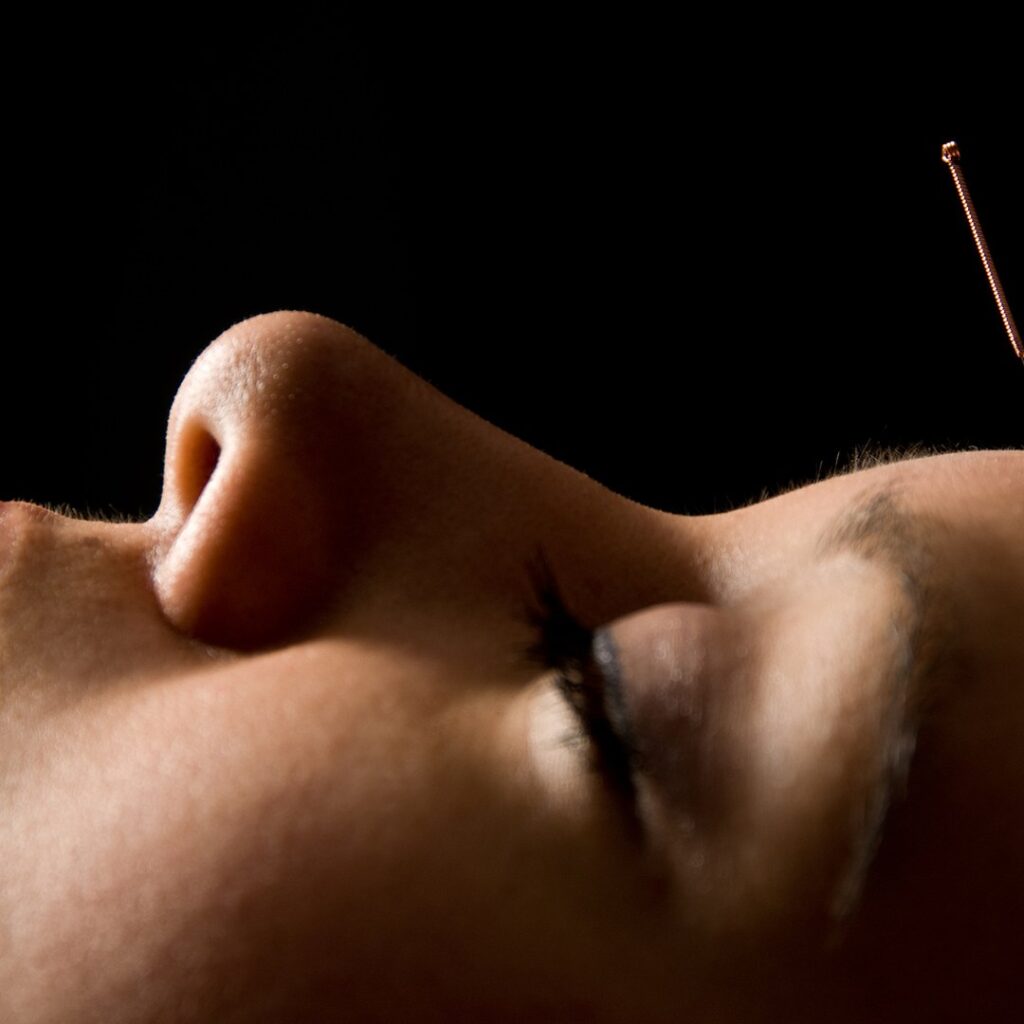
Available at our Orewa clinic, cosmetic acupuncture uses very fine needles in the face to stimulate circulation and collagen response.
It is a gradual, cumulative treatment rather than a dramatic single-session change, and it is typically done as a course. It is Southern Cross eligible, though claimed separately rather than through Easy-Claim.
What Does Acupuncture Treat? Common Questions
Does acupuncture hurt?
Rarely. The needles are about as thick as a hair. You may feel a faint tap on insertion and sometimes a dull heaviness at the point, which is expected. If anything is genuinely uncomfortable, say so and it will be adjusted immediately.
How many sessions will I need?
For an acute problem, often three to six. Longstanding conditions usually need a longer course with gradually increasing gaps. You should notice some change within the first few sessions; if nothing has shifted by then, we will reconsider the approach.
Is acupuncture covered by ACC?
Yes, for accepted injury claims. Our acupuncturists are ACC registered and can treat under an existing claim or lodge a new one for an accidental injury.
Can I have acupuncture while pregnant?
Yes, with a practitioner experienced in pregnancy. Certain points are avoided during pregnancy, so it is important your acupuncturist knows. Always tell us if you are or might be pregnant.
Are there side effects?
Usually none beyond occasional mild bruising at a point or feeling tired afterwards. Serious adverse events are very rare with registered practitioners using single-use sterile needles.
Try acupuncture
TCM and Japanese acupuncture at Glenfield and Orewa. ACC registered.