
Acupuncture vs Dry Needling: What’s the Difference?
They use similar needles and both help with pain, but they come from different traditions, are delivered by different practitioners and suit different problems. Here is how to tell them apart.
1Why People Mix Them Up
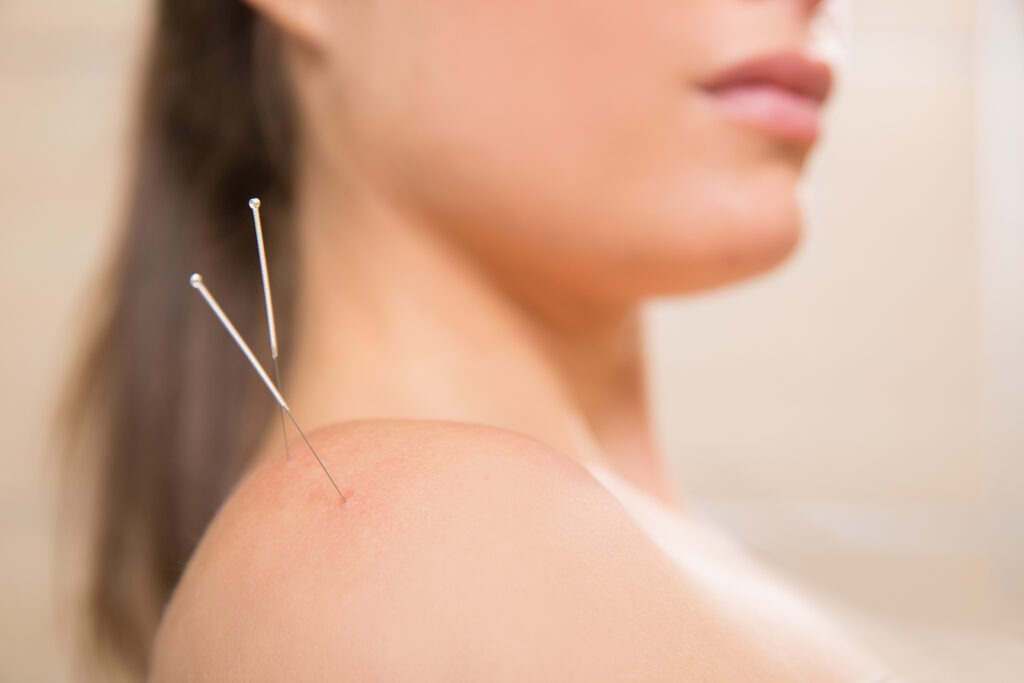
It is an easy mistake to make. Both use fine, solid, single-use needles — nothing like the hollow needles used for injections. Both are used for pain. And because dry needling is also known as Western medicine acupuncture, the two names often get used interchangeably.
But they are not the same treatment. They are based on different ideas about how the body works, the needles are used in different ways, and at Premier Wellness they are delivered by different practitioners:
- Acupuncture is provided by our registered acupuncturists, who practise Traditional Chinese Medicine (TCM), Korean and Japanese styles.
- Dry needling (Western medicine acupuncture) is used by our physiotherapists as one part of a physio treatment. Our physios are not acupuncturists.
2Acupuncture: TCM, Korean and Japanese Styles
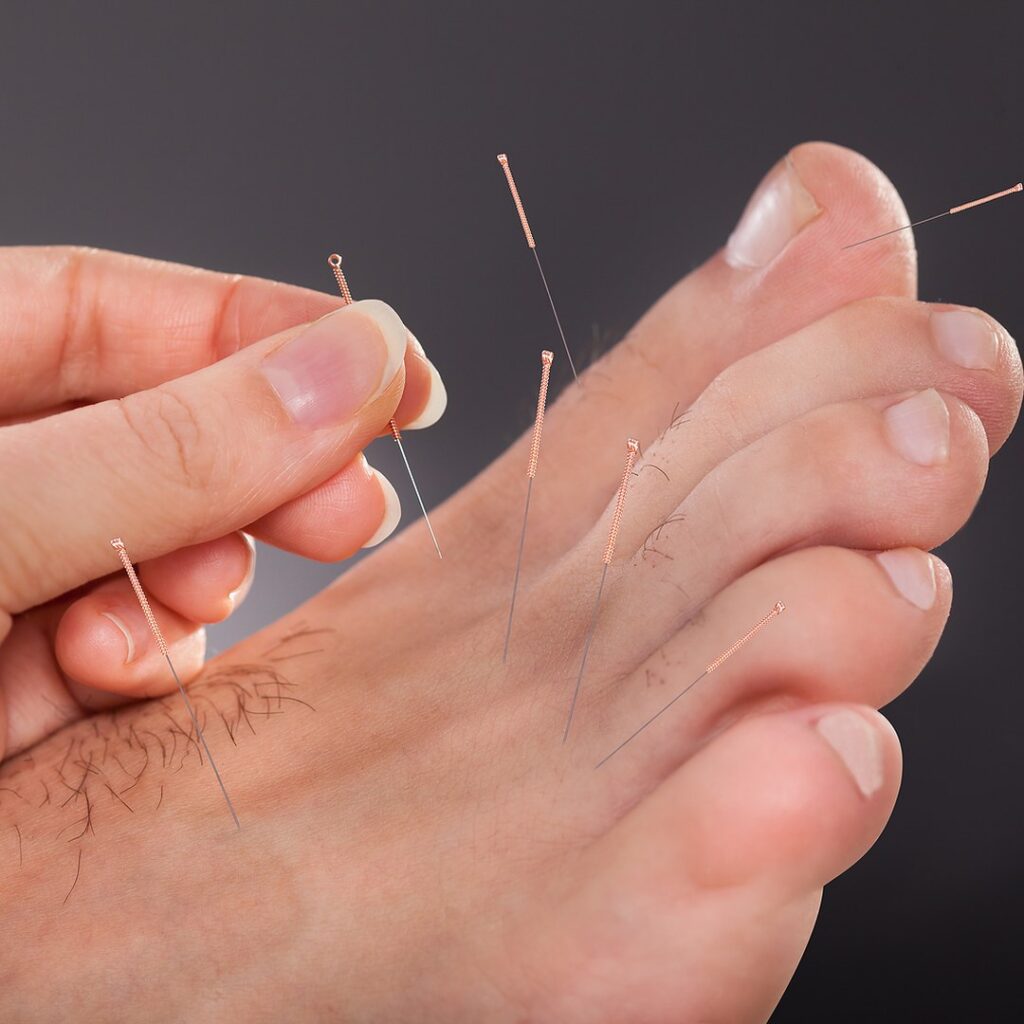
Traditional acupuncture looks at the whole person, not just the sore spot. Your acupuncturist will ask about sleep, digestion, energy, stress and your cycle where relevant, and may use pulse and tongue diagnosis. Needles are placed at specific points — some near the problem and some deliberately distant, often on the hands, feet or lower legs — and usually left in for 20 to 30 minutes while you rest.
The styles feel different:
- Traditional Chinese Medicine (TCM) acupuncture often aims for a dull, heavy, spreading sensation at the point, and may be combined with cupping or moxibustion.
- Korean-style acupuncture draws on the same traditions with its own point systems and techniques, including scalp and hand work.
- Japanese-style acupuncture uses finer needles, shallower insertion and a much gentler touch — a good choice if you are nervous about needles.
People come to our acupuncturists for musculoskeletal pain, and also for headaches, stress, sleep, digestive complaints and women’s health.
3Dry Needling: Western Medicine Acupuncture
Dry needling is based on Western anatomy and physiology rather than traditional theory. A physio uses it to target myofascial trigger points — tight, tender bands within a muscle that can refer pain elsewhere and limit movement.
The needle goes directly into the tight band. You may feel a brief twitch or cramp as the muscle releases, and some people are a little sore for a day or so afterwards. Needles are usually in for seconds to a few minutes rather than a long rest.
Most importantly, it is never a treatment on its own. Our physios use dry needling alongside hands-on therapy and exercise rehabilitation, and only where it will genuinely speed up your progress — for example with neck and shoulder tension, back pain, tendon problems or sports injuries where muscle guarding is slowing things down.
4Which One Should You Book?
A simple way to decide:
- Book physio if you have a specific injury, a muscle or joint problem you want to rehabilitate, or you need a clear exercise plan. Dry needling will be used if it suits you.
- Book acupuncture if your pain keeps coming back, you would like a whole-body approach, or you want help with stress, sleep, digestion or women’s health alongside the pain.
You do not have to choose one forever. Because our physios and acupuncturists work under one roof at Glenfield and Orewa, many patients use both, and your practitioners can coordinate your care. If you are still unsure, call us on 09 444 3231 and we will point you to the right person.
5ACC, Cost and Saturday Appointments
Both are available under ACC for accepted injury claims, and you do not need a GP referral — we can lodge a new claim at your first appointment.
- Dry needling is part of your physio session, so there is no separate charge for it.
- Acupuncture is its own appointment with one of our acupuncturists.
For current fees, check out our prices. Our Orewa clinic offers acupuncture on Saturdays, 10am to 5pm.
Acupuncture vs Dry Needling — Common Questions
Is dry needling the same as acupuncture?
No. Dry needling, also called Western medicine acupuncture, is used by physiotherapists to release tight muscle bands and trigger points as one part of a physio treatment. Traditional acupuncture, in the Traditional Chinese Medicine (TCM), Korean and Japanese styles, is provided by registered acupuncturists and is based on a whole-body assessment.
Are your physiotherapists acupuncturists?
No. Our physios use dry needling (Western medicine acupuncture) within physio treatment. Traditional acupuncture is provided separately by our registered acupuncturists.
Does dry needling hurt more than acupuncture?
It can feel stronger. Dry needling may cause a brief twitch or cramp in the muscle and some soreness for a day or so. Acupuncture usually produces a dull heaviness at the point, and Japanese-style acupuncture is especially gentle. Tell your practitioner if anything is uncomfortable and they will adjust.
Is dry needling covered by ACC?
When dry needling is part of physio treatment for an accepted ACC injury, it is included in your funded physio session with no extra fee. Acupuncture for an accepted injury is also ACC funded.
Can I have both acupuncture and dry needling?
Yes. Many patients see both a physio and an acupuncturist, and because both work at our Glenfield and Orewa clinics, your care can be coordinated.
Not sure which to book?
Physio with dry needling and traditional acupuncture, both at Glenfield and Orewa. ACC registered, no GP referral needed.