
Sciatica: Why It Happens, and What Genuinely Settles It
Sciatica is a symptom, not a diagnosis. Getting it to settle depends entirely on working out what is irritating the nerve in the first place.
1What Sciatica Actually Is
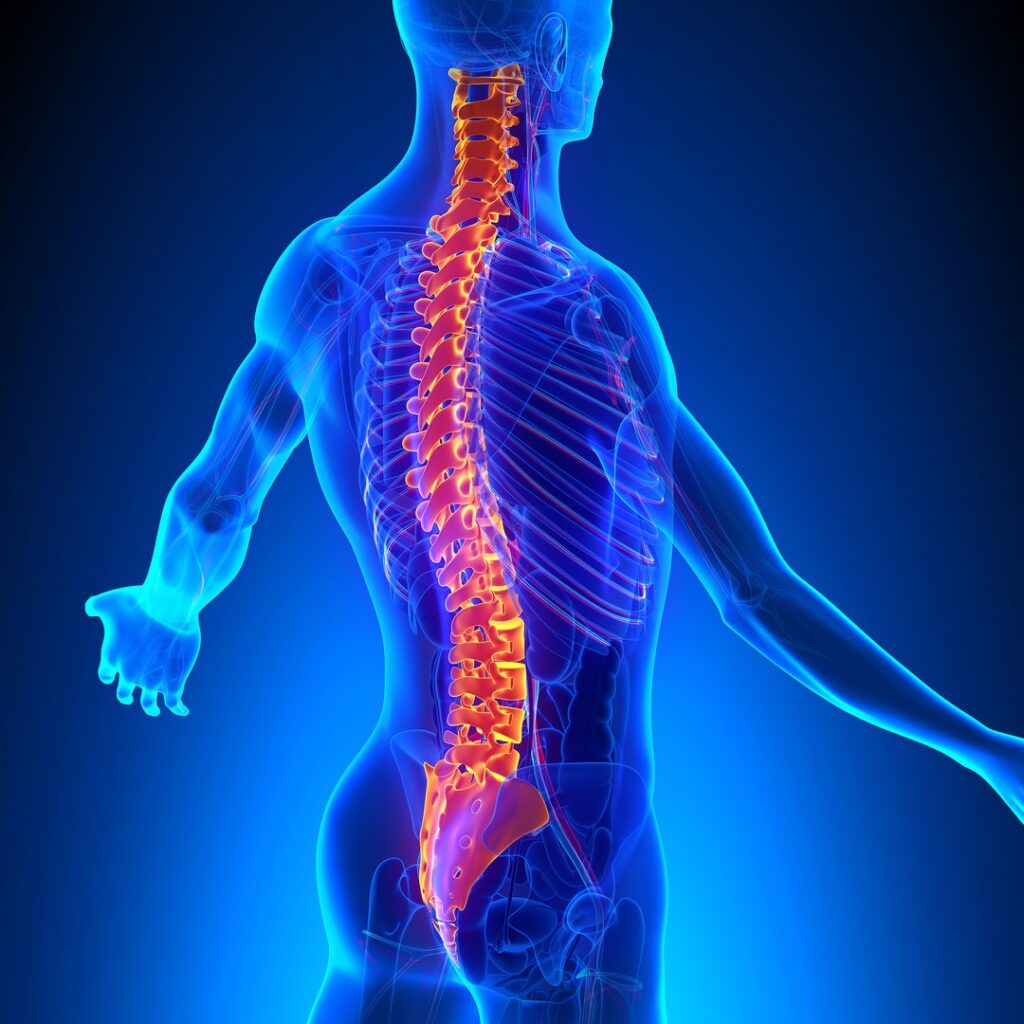
The sciatic nerve is the largest in the body. It forms from nerve roots in the lower back, runs through the buttock and down the back of the leg.
“Sciatica” simply means that nerve is irritated somewhere along its path. It describes a symptom — pain, pins and needles, numbness or weakness travelling down the leg — not a cause.
The distinction matters, because the causes are quite different:
- Disc-related irritation — a bulging disc contacting the nerve root. Usually worse with sitting, bending and coughing.
- Lateral canal narrowing — more common with age, typically worse with standing and walking, eased by sitting or leaning forward.
- Piriformis and deep gluteal irritation — the nerve compressed as it passes through the buttock. Often worse with prolonged sitting on a hard surface.
- Referred pain from the sacroiliac joint — feels sciatic but is not true nerve involvement, and usually stops above the knee.
2Red Flags — Get Seen Urgently
Most sciatica, however unpleasant, is not dangerous. A small number of presentations are genuine emergencies. Go to hospital or call your doctor immediately if you have:
- Numbness around the groin, genitals or back passage — saddle anaesthesia
- Difficulty passing urine, loss of bladder or bowel control, or not feeling when you need to go
- Weakness in both legs, or rapidly worsening weakness in one
- Sciatica with unexplained weight loss, fever, or a history of cancer
That first group of symptoms can indicate cauda equina syndrome, which needs same-day assessment. It is rare, but the consequences of delay are serious enough that it is worth knowing.
3What Usually Helps

The encouraging reality is that the large majority of sciatica settles substantially within six to twelve weeks, and treatment can meaningfully speed that up and make the interim far more bearable.
What works:
- Staying gently active. Bed rest makes sciatica worse, not better. Walking, within tolerance, is one of the most useful things you can do.
- Finding your directional preference. Most people have a movement that eases the leg pain — often extension for disc-related cases, flexion for canal narrowing. Finding yours is one of the quickest wins available.
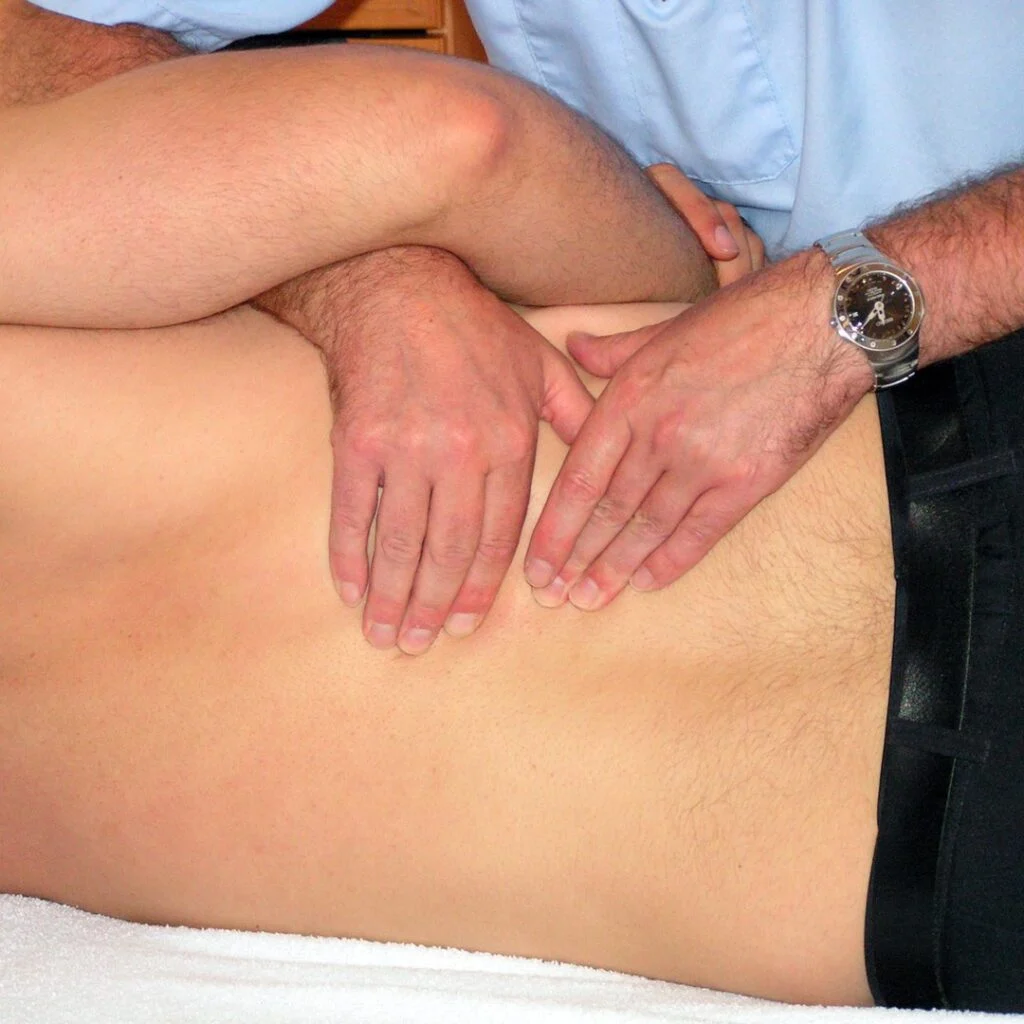
- Hands-on treatment to reduce the muscular guarding and restore movement in the lumbar spine, pelvis and hip.
- Nerve mobilisation — gentle gliding techniques that help the nerve move more freely within its sheath.
- Graded strengthening once the acute irritation settles, particularly through the glutes and trunk.
Centralisation is the sign to watch for: if pain retreats from your calf up toward your buttock or back, you are improving, even if the back itself feels temporarily worse.
4Sitting, Driving and Sleeping With Sciatica

Practical adjustments that make a real difference while it settles:
- Sitting — the worst position for most disc-related sciatica. Get up every 20–30 minutes. A small lumbar roll often helps considerably.
- Driving — frequently the single worst aggravator, combining sitting, vibration and a twisted pelvis. Bring the seat closer, raise it slightly, and break long trips.
- Sleeping — side-lying with a pillow between the knees suits most people. If you sleep on your back, a pillow under the knees reduces the pull on the nerve.
- Lifting — not forbidden, but keep the load close and avoid the combination of bending and twisting together.
Sciatica — Common Questions
How long does sciatica take to settle?
Most cases improve substantially within six to twelve weeks, though some settle much faster. Pain retreating up the leg toward the back is the key sign that things are moving in the right direction.
Should I rest or keep moving?
Keep moving, within tolerance. Extended bed rest reliably makes sciatica worse by allowing stiffness and deconditioning. Gentle walking is genuinely one of the best things you can do.
Do I need an MRI?
Usually not initially. Disc bulges show up on scans in plenty of pain-free people, so imaging often adds worry without changing treatment. It becomes important with red flags, progressive weakness, or a lack of improvement over time.
Is sciatica covered by ACC?
If it started with a specific incident such as a lift or a twist, often yes. Gradual-onset sciatica with no clear event generally is not, though work-related gradual process claims are sometimes accepted.
Will I need surgery?
Very few people do. Surgery is considered for persistent severe symptoms that have not responded to conservative care, or where there is significant progressive weakness. The large majority of sciatica resolves without it.
Get your sciatica assessed
Osteopathy and physio for nerve pain at Glenfield and Orewa. ACC registered.