
Knee Pain That Won’t Settle: Causes, Red Flags and What Actually Helps
Most knee pain is not a worn-out joint that needs replacing. It is usually load, alignment or a specific structure under strain — and most of it responds well to hands-on treatment and the right rehab.
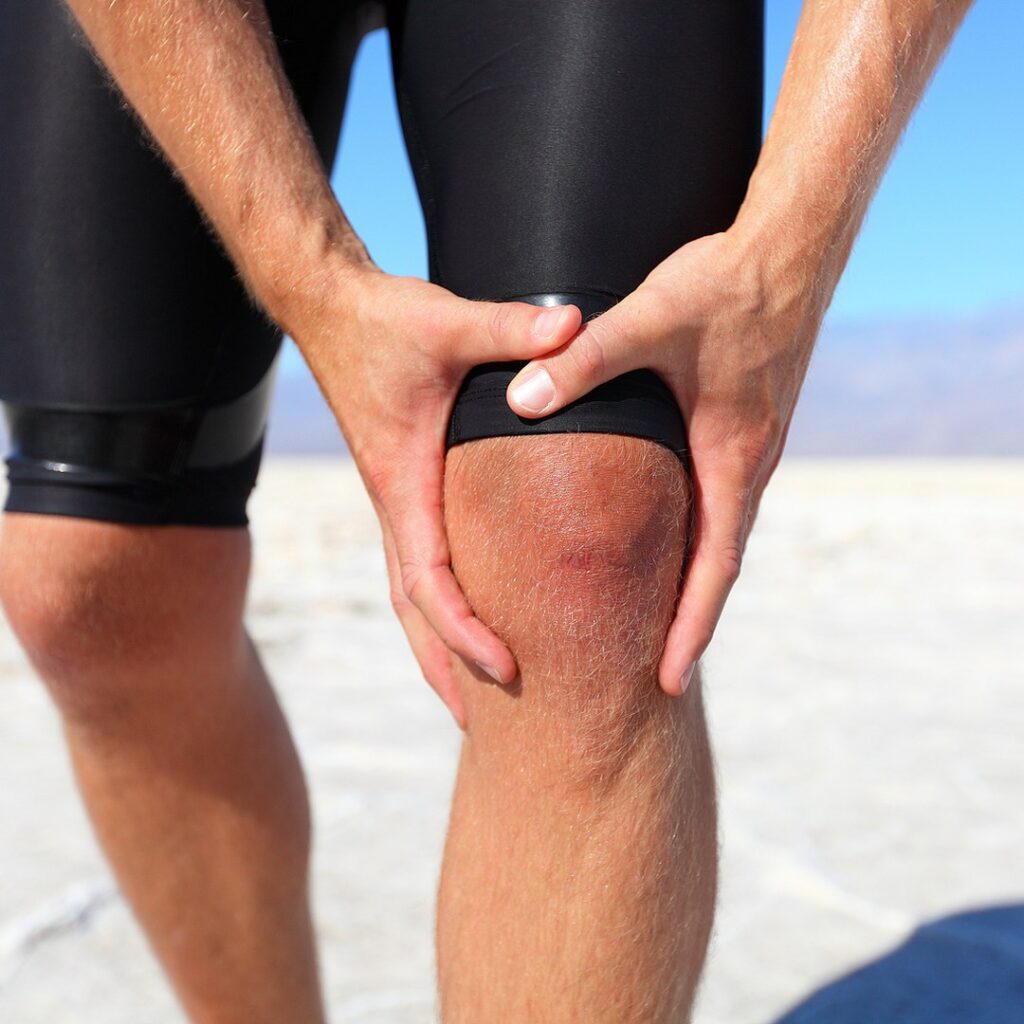
1Where Knee Pain Actually Comes From
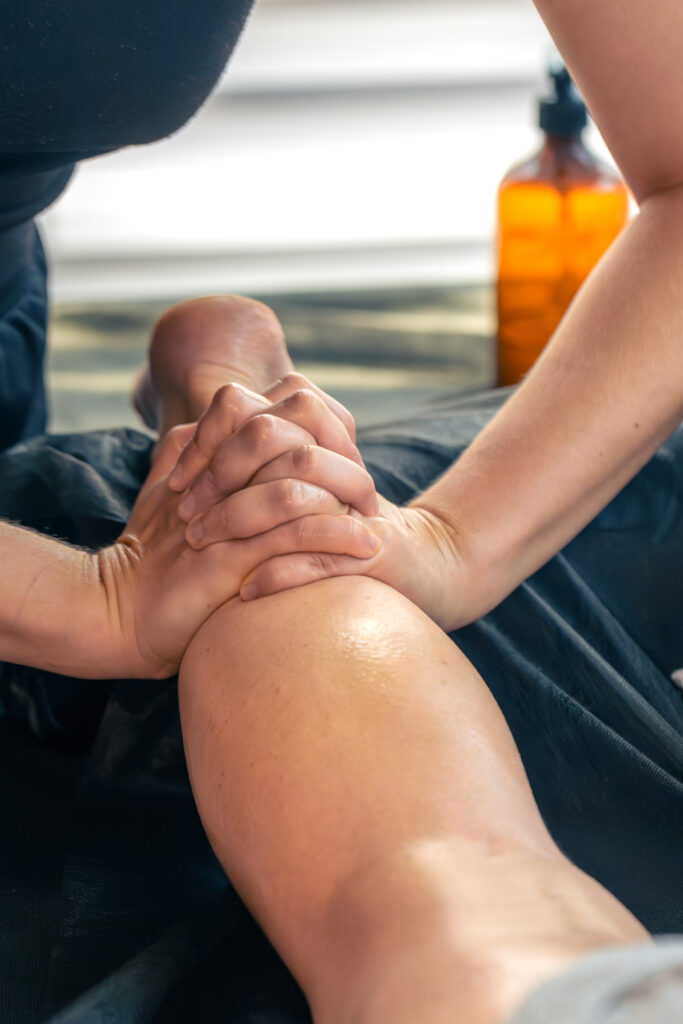
The knee is a simple hinge caught between two things that move a great deal — the hip above and the foot below. When either stops doing its share, the knee absorbs the difference. That is why knee pain so often has nothing to do with the knee itself.
The most common sources we see in clinic:
- Patellofemoral pain — ache at the front of the knee, worse on stairs, hills and after sitting. Usually a load and control problem rather than damage.
- Meniscus irritation or tear — often a twisting moment, sometimes catching or locking, usually pain on one side of the joint line.
- Iliotibial band syndrome — sharp pain on the outside of the knee that appears at a predictable distance into a run.
- Patellar or quadriceps tendinopathy — pain just below or above the kneecap, worse with jumping and decelerating.
- Osteoarthritic change — stiffness first thing, eases with gentle movement, grumbles after a long day.
These behave differently, and they need different treatment. Which is why “knee pain” on its own is not a diagnosis.
2Red Flags — When to Get It Looked At Urgently
Most knee pain is not sinister. But a small number of presentations need prompt medical assessment rather than hands-on treatment. Please see a doctor or urgent care the same day if you have:
- A knee that is hot, red and swollen with fever or feeling unwell — possible joint infection
- Rapid, dramatic swelling within an hour or two of an injury, which can indicate bleeding in the joint
- A knee that gives way completely or locks solid and will not straighten
- Obvious deformity or inability to weight-bear at all after trauma
- Calf pain, heat or swelling alongside the knee pain
If none of that applies, you are almost certainly dealing with a mechanical problem — and mechanical problems respond to treatment.
3How We Treat Knee Pain
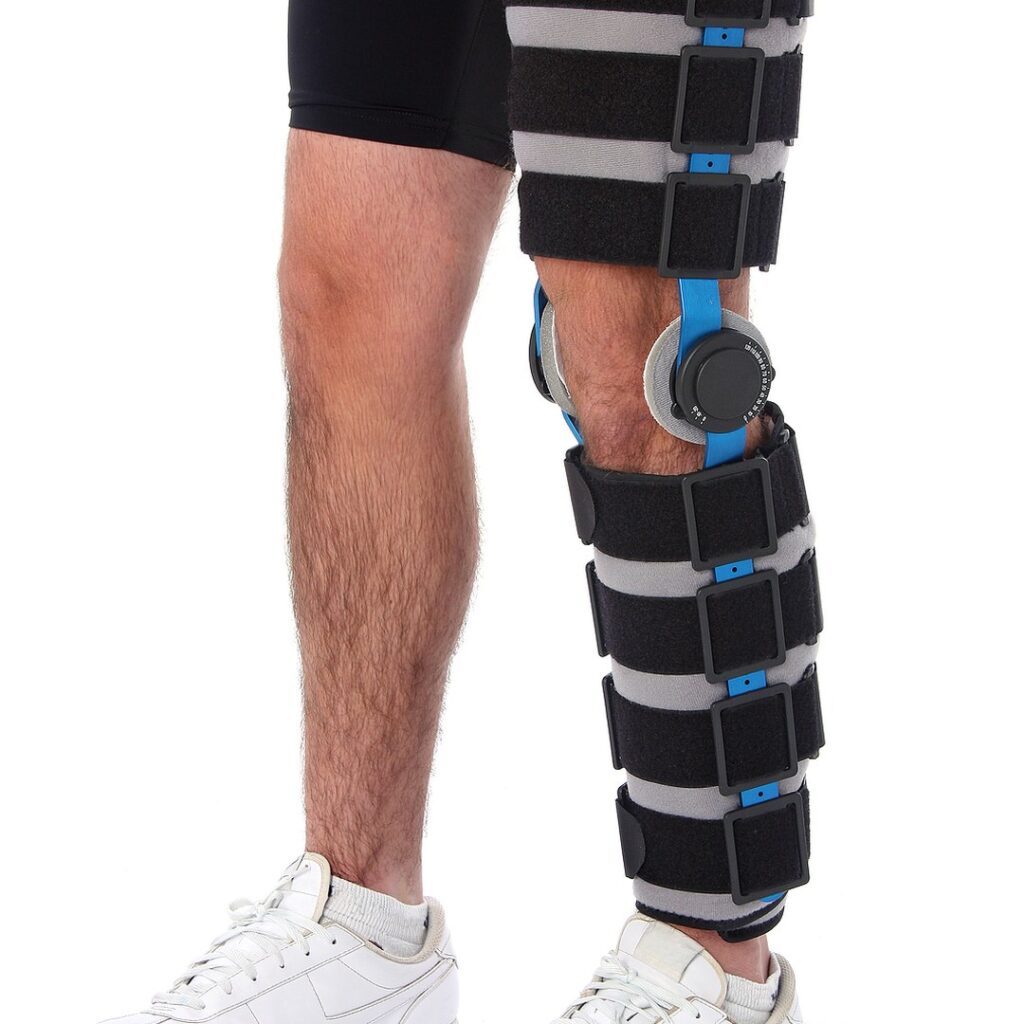
Treatment starts with working out what is actually being overloaded, and why. That usually means looking well beyond the knee — hip strength and control, ankle range, how you load through the foot, and what changed in your training or daily routine before the pain started.
From there, treatment typically combines:
- Hands-on work to restore movement at the knee, hip and ankle, and settle the surrounding soft tissue
- Targeted loading — tendons and cartilage respond to graded load, not rest. The trick is finding the right dose.
- Control and strength work, particularly through the hip and glutes, which is where most front-of-knee pain quietly originates
- Practical adjustments to training volume, footwear or work setup so the problem stops being re-fed
4Why Rest Alone Usually Fails
Rest settles irritated tissue, and that feels like progress. But rest does not build the capacity the knee lacked in the first place. So the pain returns as soon as you go back to doing what you enjoy.
The pattern we see constantly: six weeks off running, knee feels fine, first run back at the old distance, pain returns within a fortnight. Nothing was ever made more robust — it was just given a holiday.
Recovery that lasts means progressively reloading the tissue until it tolerates what you want to do. That takes longer than resting, and it works considerably better.
5Is Knee Pain Covered by ACC?
If your knee pain came from a specific incident — a twist, a fall, a tackle, a misstep off a kerb — it is likely to qualify as an accidental injury under ACC.
You do not need a GP referral. Our osteopaths and physios are ACC-registered treatment providers and can lodge the claim at your first appointment. You pay a part-charge rather than the full private fee.
Gradual-onset knee pain with no specific incident generally is not covered, though work-related gradual process claims are sometimes accepted. We will tell you honestly which category you fall into at the first visit.
Knee Pain — Common Questions
Should I get a scan before coming in?
Usually no. Scans rarely change the initial treatment plan for mechanical knee pain, and degenerative findings are common in people without symptoms. If your presentation suggests imaging would genuinely alter management, we will say so and arrange referral.
How long until my knee feels better?
Most straightforward mechanical knee pain improves noticeably within two to four sessions. Tendon problems are slower and generally need eight to twelve weeks of graded loading. Persistent arthritic knees are managed rather than cured, but usually manage very well.
Should I use ice or heat?
For a fresh injury with swelling, ice for short periods in the first day or two can help comfort. For a stiff, grumbling knee, heat and gentle movement generally feel better. Neither dramatically changes the outcome, so use whichever eases your symptoms.
Can I keep exercising with knee pain?
Usually yes, with modification. Complete rest tends to slow recovery. We will normally adjust load, range or surface rather than stop you altogether, and give you a clear threshold for what is acceptable discomfort.
Do I need a knee replacement?
Very few people do, and far fewer than assume they might. Knee replacement is considered for advanced arthritic change with significant functional limitation after conservative treatment has genuinely been tried. Most knee pain never reaches that point.
Get your knee properly assessed
Osteopathy and physio at Glenfield and Orewa. ACC registered, no GP referral needed.